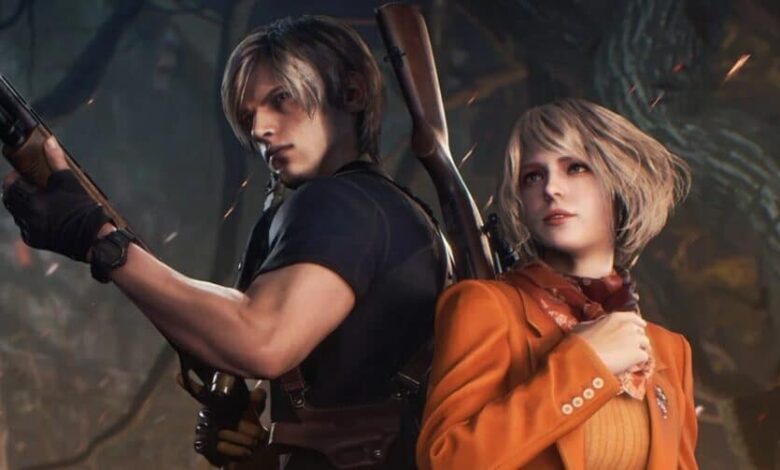
Why Reimagined Classics Are Stealing the Spotlight
The video game industry, perpetually driven by the promise of the next big technological leap and the creation of entirely original intellectual property, is paradoxically experiencing a profound and commercially potent resurgence rooted firmly in its past.
Across every major platform and genre, from sprawling cinematic role-playing games to intense survival horror titles, the market is currently saturated, and often dominated, by meticulously crafted remakes, thoughtful remasters, and complete reimaginings of beloved classic franchises.
This trend is far more than a simple exercise in nostalgia; it represents a highly calculated, strategically intelligent, and financially sound business model that capitalizes on decades of established fan loyalty and instantly recognizable branding.
The sheer volume and quality of these re-released titles—often built entirely from the ground up using state-of-the-art game engines and modern design philosophies—are increasingly eclipsing the hype surrounding brand-new, unproven game series.
This sustained reliance on proven legacy content suggests a crucial pivot in publisher strategy, prioritizing the reliable returns and lower risk associated with established success over the immense, high-stakes gamble inherent in launching entirely original AAA experiences.
As development costs soar and consumer expectations for polished, bug-free launches reach peak levels, the classic title, reborn with next-generation capabilities, offers a perfect blend of guaranteed familiarity for the old guard and dazzling, cutting-edge accessibility for a whole new generation of players.
Deconstructing the Terminology: Remake vs. Reboot
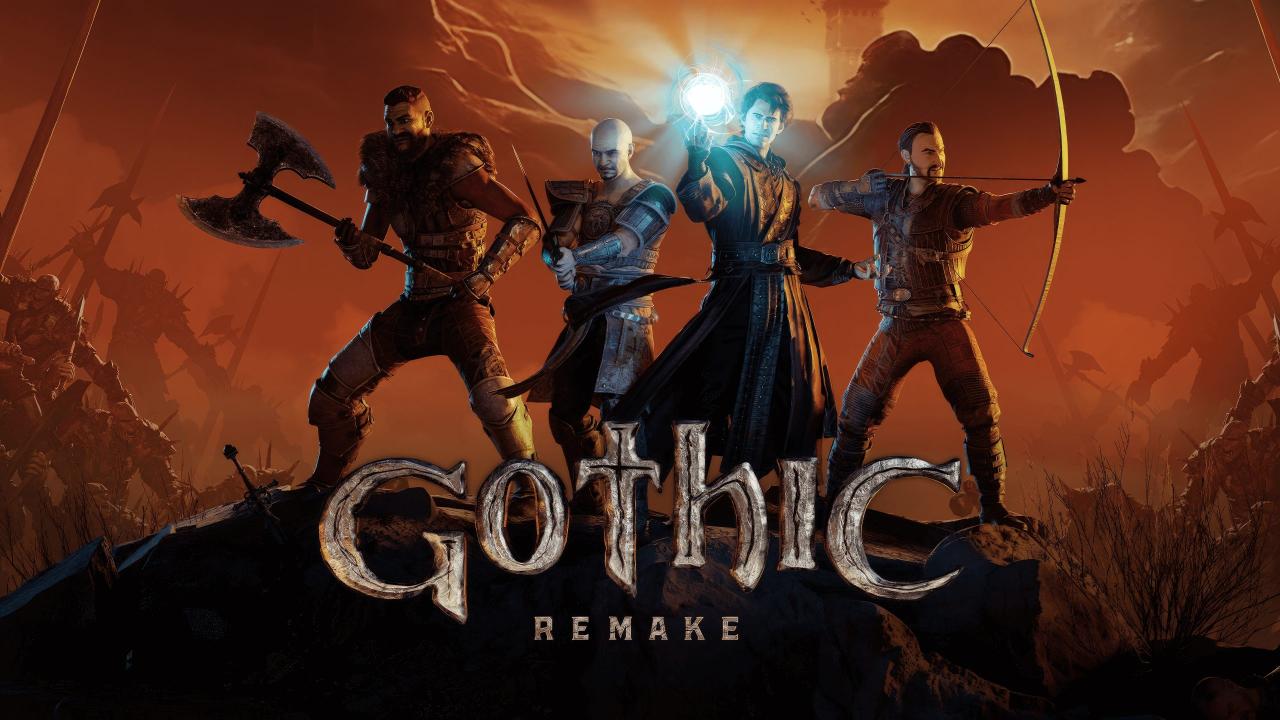
The industry often uses several overlapping terms to describe re-releases, but it’s important to understand the key distinctions that define the scope and ambition of the project.
A. Remaster
This is the most conservative approach, focusing primarily on technical polish and visual fidelity. The original game’s core code, assets, and fundamental mechanics remain largely unchanged, but textures are upscaled, resolution is increased, and frame rates are boosted.
B. Remake
This involves rebuilding the game entirely from scratch using modern technology and engines. While the core plot, characters, and memorable moments are preserved, the gameplay, camera angles (often switching from fixed to over-the-shoulder), level design, and combat systems are frequently overhauled and modernized.
C. Reboot (or Reimagine)
The most radical approach, a reboot retains the fundamental themes, world, and core characters of the original but completely discards the previous continuity. It aims to tell a new story for a new generation, often with entirely new mechanics and a vastly different tone.
D. Definitive Edition/Port
These are usually technical ports or simple collections of original games bundled together, sometimes including all post-launch content (DLC), with minimal changes to the source material.
E. Demake
A niche, often fan-driven category where a modern game is intentionally recreated using the graphical and mechanical limitations of a much older platform, serving as an ironic homage to retro aesthetics.
The Commercial Logic Behind the Remake Boom
The financial calculus for investing in a remake or a reboot is compelling for major publishers, offering a significantly safer bet than funding a completely new AAA title.
A. Reduced Marketing Risk
A successful existing Intellectual Property (IP) requires less heavy lifting in marketing. The franchise already possesses millions of established fans who act as an immediate, dedicated launch audience and organic promoters.
B. Proven Gameplay Blueprint
Developers don’t start from zero; they have a blueprint of proven mechanics, successful level designs, and established narratives. They know what resonated with players, allowing them to focus resources on modernization rather than conceptual iteration.
C. Bridging Generational Gaps
Remakes successfully target two distinct audiences simultaneously: the original, nostalgic fan base and a massive new generation of players who missed the classic but are attracted by modern graphics and design.
D. Cost-Effective Development Time
While AAA remakes are costly, they often reduce the high-risk, time-consuming phase of creative pre-production, as the core artistic direction and narrative structure are already locked down.
E. Revitalizing a Franchise for Sequels
A high-quality remake can effectively serve as a hyper-successful prequel, re-engaging the audience and building massive hype for the launch of a brand-new, true sequel in the same revitalized style.
Technological Advancements Powering the Rebirth
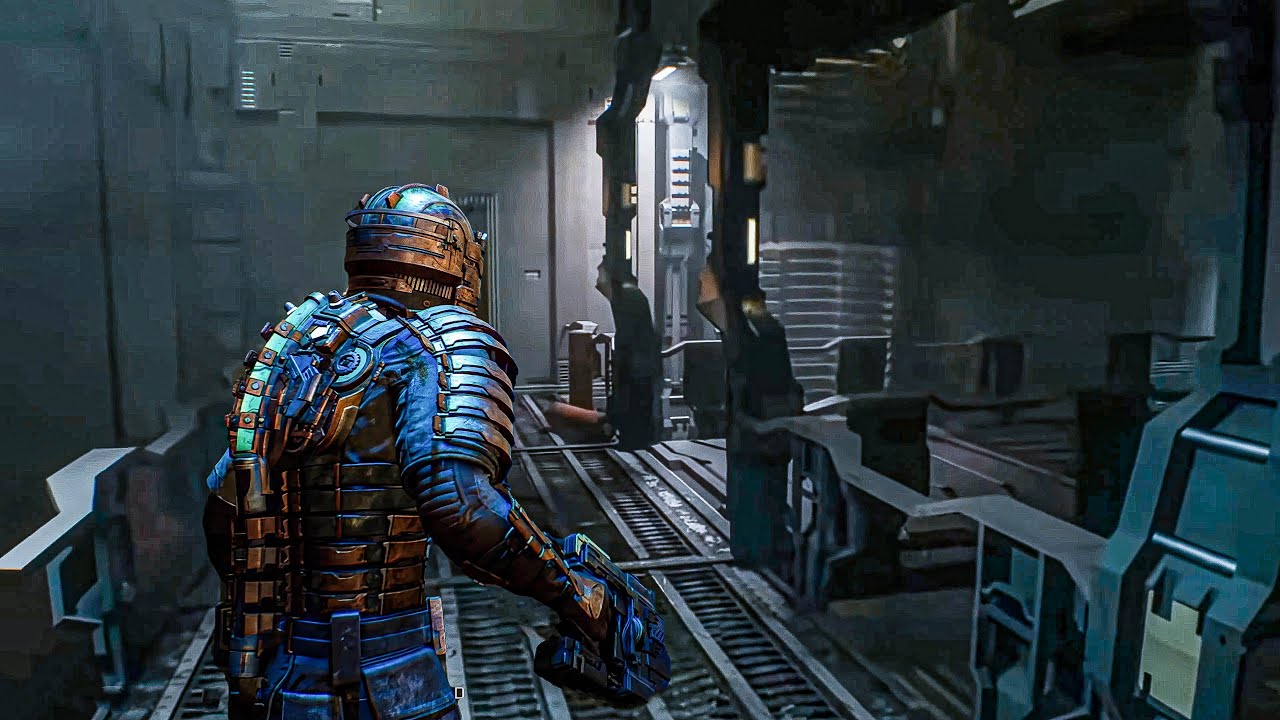
Modern game technology is the necessary foundation that makes these remakes aesthetically and mechanically feasible, delivering on the graphical promises of the original concepts.
A. Unreal Engine and Unity Prowess
The accessibility and power of modern game engines allow studios to build photorealistic environments and detailed character models that were simply impossible with the hardware limitations of 15 or 20 years ago.
B. Ray Tracing Implementation
The integration of Ray Tracing allows remakes to achieve unprecedented realism in lighting, reflections, and shadows, fundamentally transforming the atmosphere and visual immersion of classic game worlds.
C. SSD and Loading Speed
Modern console and PC storage (SSDs) enable massive, seamless open worlds without the notorious, immersion-breaking loading screens that plagued earlier generation titles, enhancing the flow of exploration.
D. Haptic and Controller Innovation
Remakes can now utilize advanced controller features, such as the detailed haptic feedback, adaptive triggers, and sophisticated rumble functionality, to add entirely new, tactile layers of physical sensation to classic combat or actions.
E. Motion Capture and Facial Fidelity
Modern Motion Capture and facial animation techniques allow developers to imbue classic character models with realistic emotion and nuanced performance, elevating the dramatic weight of the original story cutscenes.
The Creative Challenge: Modernizing Mechanics
The greatest creative tightrope walk for developers is deciding which elements of a classic game must be preserved and which must be radically changed to meet modern player expectations.
A. Camera and Controls Overhaul
The shift from fixed, cinematic camera angles and tank controls to fluid, modern over-the-shoulder perspectives and responsive controls is often the single most critical change necessary for a remake’s success.
B. Quality of Life (QoL) Improvements
Developers must eliminate the tedious or archaic mechanics of the past, such as excessive backtracking, frustrating inventory management systems, and unclear objective markers, replacing them with streamlined QoL features.
C. Expanding Underutilized Lore
Remakes provide a chance to delve deeper into the established lore and expand upon underwritten characters or brief story moments, adding hours of new content that enriches the core narrative without contradicting it.
D. Difficulty and Accessibility Calibration
Balancing the game to satisfy both the hardcore original fan base (who want the classic challenge) and newer players (who demand modern accessibility options) requires expert calibration and difficulty scaling.
E. Re-Scoring and Sound Design
While preserving the original, iconic musical themes, remakes often necessitate a complete re-recording of the score with a full orchestra and a massive overhaul of the sound design to utilize modern 3D audio technologies.
The Cultural Impact and Industry Debate
The dominance of remakes has fueled an intense debate among players, critics, and industry professionals about the balance between preserving the past and innovating for the future.
A. Concerns Over Creative Stagnation
Critics argue that the overwhelming focus on remakes signals a risk-averse industry that is unwilling to invest in new, potentially groundbreaking, but commercially uncertain, original creative ventures.
B. The Preservation Argument
Proponents of remakes highlight their role as vital forms of digital preservation, ensuring that historically significant games remain playable and accessible on modern hardware, saving them from digital obsolescence.
C. The ‘Definitive’ Experience
The highest-quality remakes often become the definitive version of the game in the public consciousness, permanently replacing the original and setting a new standard for the franchise’s identity.
D. Influence on Indie Development
The high-budget nature of AAA remakes inadvertently pushes originality and genuine mechanical innovation more firmly into the sphere of indie game development, where creative risk is more feasible.
E. Setting New Genre Standards
Successful remakes force genre competitors to elevate their own quality, as they demonstrate the absolute peak of what a classic genre, like survival horror or JRPG, can achieve with modern tools.
Conclusion
The ongoing phenomenon of high-quality remakes and reboots has irrevocably reshaped the contemporary video game release schedule.
This strategic market approach capitalizes powerfully on existing brand recognition and the deep, reliable emotional connection players have with established franchises.
By expertly blending the cherished familiarity of classic narratives with the dazzling technical capabilities of modern game engines, publishers successfully mitigate the enormous financial risk associated with launching completely new intellectual property.
The resulting success ensures that beloved historical titles remain relevant, accessible, and playable for a completely new, younger audience, transcending generational barriers.
This sustained focus on re-imagining the past also raises critical questions about the long-term future of original, untested creative ventures in the AAA space.
Ultimately, the remake renaissance is a testament to the enduring power of great game design, proving that a strong foundation, when rebuilt with modern mastery, is often the most guaranteed path to both critical acclaim and enormous commercial triumph.