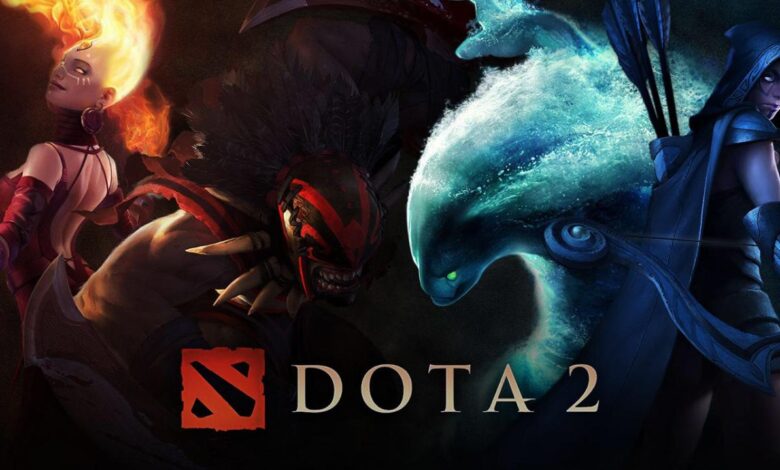
Welcome to the world of Dota 2, a massive multiplayer online battle arena (MOBA) game that is notorious for its brutal difficulty curve and astonishing depth, but equally famous for its immensely rewarding strategic gameplay.
Unlike many other competitive games, Dota 2 demands not just fast reflexes but a chess master’s mind, forcing players to juggle dozens of moving parts simultaneously, from micro-managing their hero to understanding the flow of the entire map.
You aren’t just controlling a hero; you are participating in a highly dynamic five-versus-five team strategy game where every single decision—from the very first item you buy to the location of a late-game ward—can directly determine the outcome of the 40-minute struggle.
The game’s complexity comes from its roster of over a hundred unique heroes, the ever-evolving map, the intricate economic system, and the non-stop importance of every last hit and creep deny.
This guide is crafted to cut through the initial confusion, providing you with a clear roadmap to understanding the core mechanics, the crucial team roles, and the strategic objectives needed to move past the beginner stage and begin your climb toward true mastery.
Don’t let the intensity deter you; with focus and a systematic approach, you can unravel the beautiful, layered puzzle that is Dota 2 and finally experience the high of a hard-earned Ancient destruction.
Understanding the Foundational Mechanics

Before you can focus on winning, you must understand the basic economy and the unique mechanics that govern the early game, known as the Laning Phase. This is where the foundation for the entire match is laid.
A. The Economics of Last-Hitting and Denying
Gold and experience are the lifeblood of your hero, and how you earn them is unique to Dota 2.
A. Last-Hitting: To receive the full gold bounty and experience from a lane creep, your hero must land the killing blow, also known as the last hit.
B. Denying: To prevent your enemy from gaining full gold and reduce the experience they receive, you can land the killing blow on your own friendly creeps once their health drops below 50%.
C. Practice is Essential: Last-hitting and denying are fundamental skills that require excellent timing and an understanding of your hero’s unique attack animation, which you should practice endlessly in a custom lobby.
D. The Gold Advantage: Consistently winning the last-hit battle directly translates into an earlier item timing, giving you a powerful, often irreversible, advantage over your lane opponent.
B. Itemization and the In-Game Shop
Items are just as important as your hero’s abilities, allowing you to adapt to the enemy team composition.
A. Following Guides: As a beginner, always rely on high-rated, current-patch in-game hero guides from the community (often displayed right in your shop interface) to know what skills to level and what items to buy.
B. The Secret Shop: Some powerful, high-tier items require components that can only be purchased from one of the two Secret Shops located deep within the jungle on opposite sides of the map.
C. The Courier: Use your team’s Courier to ferry items from your base fountain or the Secret Shop directly to your hero on the map, ensuring you never have to walk back to buy a necessary item.
D. Item Adaptation: As you gain experience, learn to deviate from the default guide. For instance, buying a Black King Bar (BKB) is crucial if the enemy has a lot of magical damage or crowd control, even if the guide doesn’t list it first.
E. Neutral Items: Throughout the game, specific Neutral Creeps can drop unique, unpurchasable items called Neutral Items that occupy a dedicated slot and grant small, valuable bonuses to your hero.
C. The Importance of the Map and Vision
The Dota 2 battlefield is enormous, and information is your most valuable resource.
A. Wards (Observer and Sentry): Observer Wards provide a long-lasting field of vision, which is essential for safely farming or watching enemy rotations. Sentry Wards reveal enemy Observer Wards and invisible heroes.
B. Denying Vision: Always buy Sentry Wards to de-ward (destroy) the enemy’s Observer Wards, effectively blinding them and creating a safe haven for your team to farm or gank.
C. Map Awareness: Constantly glance at the minimap to track enemy heroes. If an enemy is missing from their lane (M.I.A.), they might be rotating to gank you or another ally.
D. The Twin Gates: These map features allow players to instantly teleport between the northwest and southeast corners of the map after a short channel time, enabling quick rotations and defensive maneuvers.
The Five Positions: Defining Your Role
Dota 2 operates on a strict positioning system, numbered 1 through 5, which dictates resource priority, farming expectations, and responsibilities throughout the game. Understanding your position is the first step in team play.
A. Position 1: The Hard Carry
The Position 1 hero is the team’s primary damage dealer and most resource-reliant hero.
A. Farm Priority: The Hard Carry has the highest gold priority and must focus almost entirely on securing gold and experience during the early and mid-game.
B. Safe Lane: This hero usually occupies the Safe Lane (Radiant bottom or Dire top) with the support of the Position 5, as the creep wave is naturally closer to their tower.
C. Late Game Focus: The Carry is expected to be the most powerful hero in the late game and is responsible for winning the final team fights and destroying the enemy Ancient.
D. Survival: Their primary objective is to survive and farm; they should often avoid unnecessary early fights unless a high-value kill is guaranteed.
B. Position 2: The Mid Laner
The Mid Laner is a solo hero who dictates the pace and tempo of the entire match.
A. Solo Experience: Being alone in the mid lane means this hero gains experience much faster than other heroes, often reaching level six first.
B. Ganking and Rotation: Once they hit their power spike, the Mid Laner is expected to rotate to the side lanes to pressure enemy heroes and secure early kills (ganking).
C. Rune Control: The Mid Laner is also responsible for controlling the Power Runes that spawn on the river every two minutes, as these runes provide powerful temporary buffs.
D. Impact: A strong Mid Laner can essentially take control of the map, enabling their Carry and pressuring the enemy team’s farming spots.
C. Position 3: The Off Laner
The Off Laner is the team’s disruptor and initiator, focusing on creating space.
A. Creating Space: Their main job is to survive the notoriously difficult Off Lane (Radiant top or Dire bottom) while disrupting the enemy Carry’s farm and drawing enemy attention.
B. Initiation: Off Laners are typically heroes with strong crowd control or durability, allowing them to start team fightsand soak up damage for their team.
C. Aura Items: This position often builds essential aura items (like Vladmir’s Offering or Pipe of Insight) that boost the whole team’s effectiveness in combat.
D. Aggression: Unlike the Carry, the Off Laner is meant to be aggressive once the laning phase ends, pushing out lanes and forcing the enemy to react to their presence.
D. Position 4: The Soft Support
The Soft Support is a roaming playmaker who provides pressure and utility outside of the lane.
A. Roaming: After securing the early-game safety of the Off Laner, the Position 4 will often rotate between lanes, looking for gank opportunities and assisting the Mid Laner.
B. Stacking: They often assist in stacking neutral creep camps in the jungle by pulling the neutral creeps out of their spawn box just before the minute mark, creating large gold caches for the Carry or Mid Laner to clear later.
C. Early Impact: Position 4 heroes need abilities that are effective even without many items, allowing them to be impactful in the early-to-mid game.
E. Position 5: The Hard Support
The Hard Support is the team’s ultimate caretaker, sacrificing their own gold for the team’s benefit.
A. Resource Sacrifice: The Position 5 has the lowest gold priority and is expected to spend most of their early gold on consumables like Wards, Town Portal Scrolls, and other team utility items.
B. Babysitting: They are typically tasked with assisting the Hard Carry in the Safe Lane, ensuring the Carry can farm undisturbed.
C. Pulling Creeps: A critical skill is creep pulling, where the support draws neutral creeps from a small camp to intercept the lane creeps, moving the lane equilibrium closer to their own tower for safety and denying enemy experience.
D. Vision Control: They are the primary ward-placer and de-warder for the majority of the match, constantly managing the team’s vision to anticipate enemy movements.
Map Objectives and Advanced Strategy
Dota 2 is a game of objectives. You don’t win by killing heroes; you win by destroying the enemy Ancient.
A. Towers, Barracks, and the Ancient
These structures are the direct path to victory and map control.
A. Towers: Destroying enemy towers grants a significant gold bonus to the entire team and immediately opens up new areas of the map for farming and rotations.
B. Barracks: There are two Barracks (Melee and Ranged) in each lane. Destroying them permanently upgrades your allied creeps in that lane into Super Creeps, applying relentless pressure.
C. The Ancient: The final structure in the base; destroying it is the only way to win the game, but it is heavily protected by two powerful Tier 4 towers.
B. Roshan and the Aegis of the Immortal
Roshan is the strongest neutral monster on the map and the most important mid-to-late game objective.
A. Roshan’s Reward: Killing Roshan grants all team members gold and experience, and the hero who lands the killing blow receives the Aegis of the Immortal.
B. The Aegis: This item grants the holder a one-time revival after they die, making it a critical item for the Carry or Mid Laner right before a major team fight or base push.
C. The Shard: Upon Roshan’s second defeat, he drops a Roshan’s Shard, which can grant permanent bonuses, and eventually the Refresher Shard, an item that instantly refreshes all cooldowns.
D. Control the Pit: Teams fight fiercely for vision and control around the Roshan Pit, as securing him often leads directly to winning the next major engagement.
C. Outposts and Other Minor Objectives
The map is littered with smaller but important objectives that provide continuous benefits.
A. Outposts: These structures can be captured after the Tier 2 tower in the adjacent lane is destroyed. Capturing an Outpost grants your team an XP boost and acts as an additional teleport spot.
B. Lotus Pools: Located on the edges of the river, these pools generate Healing Lotuses that provide small health and mana restoration. They can be combined into more powerful lotuses.
C. Bounty Runes: These runes spawn on the map’s four corners and provide global gold to the entire team, making them critical for all positions to secure.
D. Tormentors: Powerful neutral creeps that spawn in the jungle and grant an Aghanim’s Shard buff to a random hero on the team upon defeat.
The Path to Improvement and True Mastery
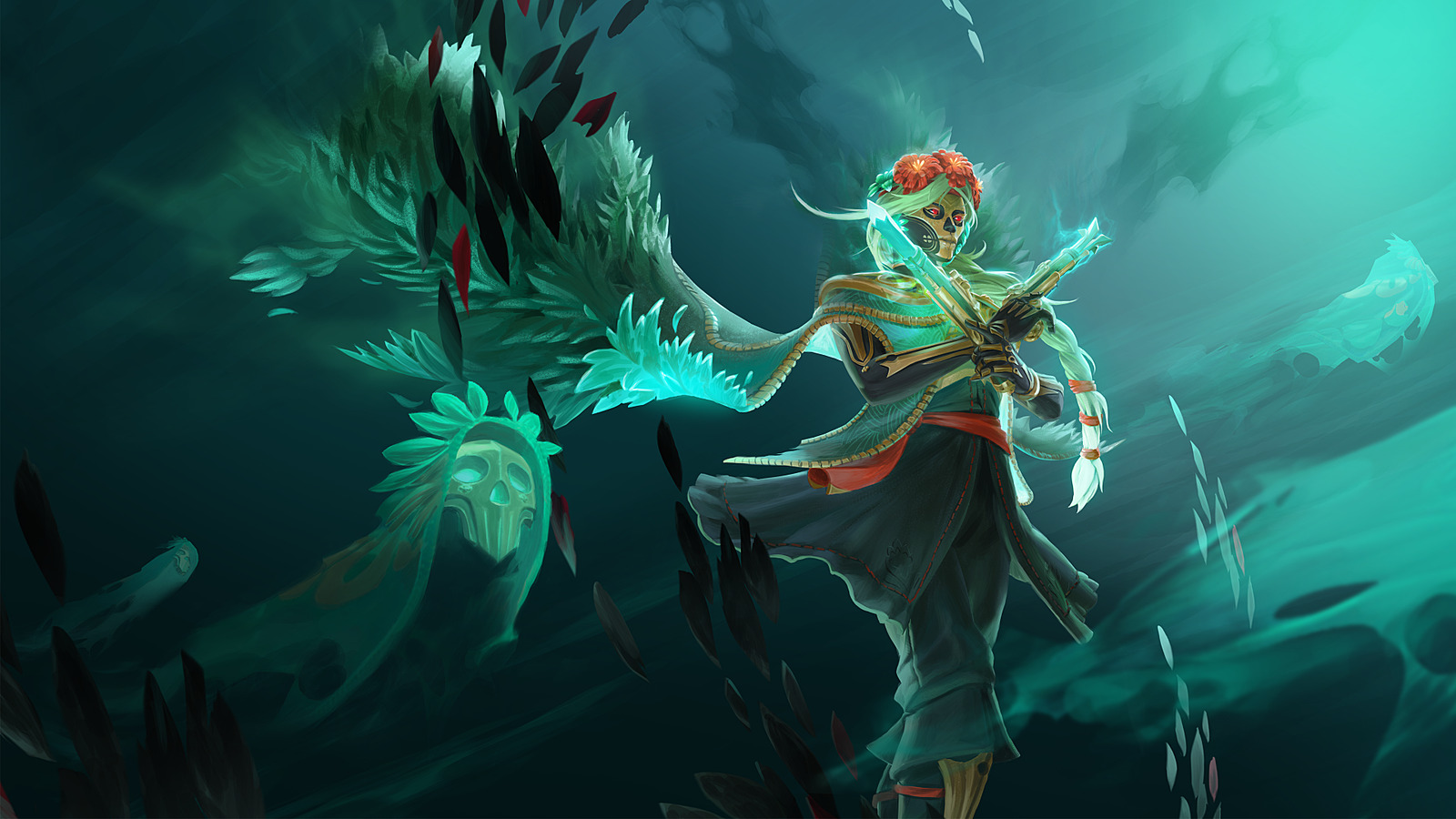
Dota 2 is a marathon, not a sprint, and genuine improvement comes from a structured approach to learning.
A. Focus on Two Heroes: Start by mastering just one core hero and one support hero with low complexity.
B. Watch Replays: Critically analyze your own replays to identify mistakes, especially in positioning, timing, and itemization.
C. Embrace Communication: Use the in-game chat wheel and voice chat to communicate your intentions, such as a “gank attempt” or a “Roshan call”.
D. Learn the Hotkeys: Make using hotkeys for abilities and items second nature; clicking slows your reaction time too much.
E. Prioritize Safety: As a core, if you think you might die, retreat and farm safely—dying is always worse than losing a few creep waves.
F. Review Item Builds: After every loss, review the enemy’s final item builds and ask yourself what item you could have built to counter their strategy.
G. The Power of the Town Portal: Always keep a Town Portal Scroll (TP) in your inventory to quickly defend a tower or instantly join a team fight anywhere on the map.
H. Mind the Timings: Pay close attention to the clock for rune spawns (every 2 minutes) and creep stacks (at the :53/:55 mark) to maximize your efficiency.
Conclusion
This complex digital battlefield presents a never-ending series of intricate challenges.
Every match is a unique high-stakes experiment in five-player coordination and dynamic resource management.
Mastering the mechanics of last-hitting and denying provides the essential economic advantage needed to scale your hero’s power.
Understanding your specific role, whether as the gold-hungry Position 1 Carry or the self-sacrificing Position 5 Support, is vital for team synergy.
Securing map objectives, like the Aegis of the Immortal from Roshan, is often the pivotal moment that swings the match in your favor.
True growth requires a critical, constant analysis of your own gameplay and a willingness to adapt your strategies and item builds on the fly.
Embrace the difficulty, for the satisfaction of mastering this highly strategic game and coordinating a successful five-man push to destroy the enemy Ancient is one of the greatest feelings in all of gaming.