The paradigm of digital entertainment is undergoing a seismic shift as the heavy lifting of graphical processing moves from local hardware to the cloud. High-performance cloud gaming infrastructure architectures are the backbone of this revolution, enabling high-fidelity experiences on devices as simple as a smartphone or a smart television. Building such a system requires a radical rethink of traditional server designs, as gaming demands near-zero latency and massive bursts of GPU power. Unlike standard video streaming, cloud gaming is highly interactive, meaning every millisecond of delay between a button press and an on-screen action can ruin the player’s immersion.
Developers are now utilizing sophisticated edge computing nodes to bring the processing power as close to the end-user as possible. This involves a complex orchestration of hardware virtualization, advanced video encoding, and high-speed networking protocols. As 5G and fiber-optic networks become more common, the barriers to entry for cloud gaming are rapidly disappearing. This article will dive deep into the technical layers that make seamless remote gaming possible, from the server rack to the user’s screen. By understanding the structural requirements of these platforms, we can see how the future of gaming is being detached from physical consoles and moved into the digital ether.
The Foundation of Server-Side GPU Virtualization
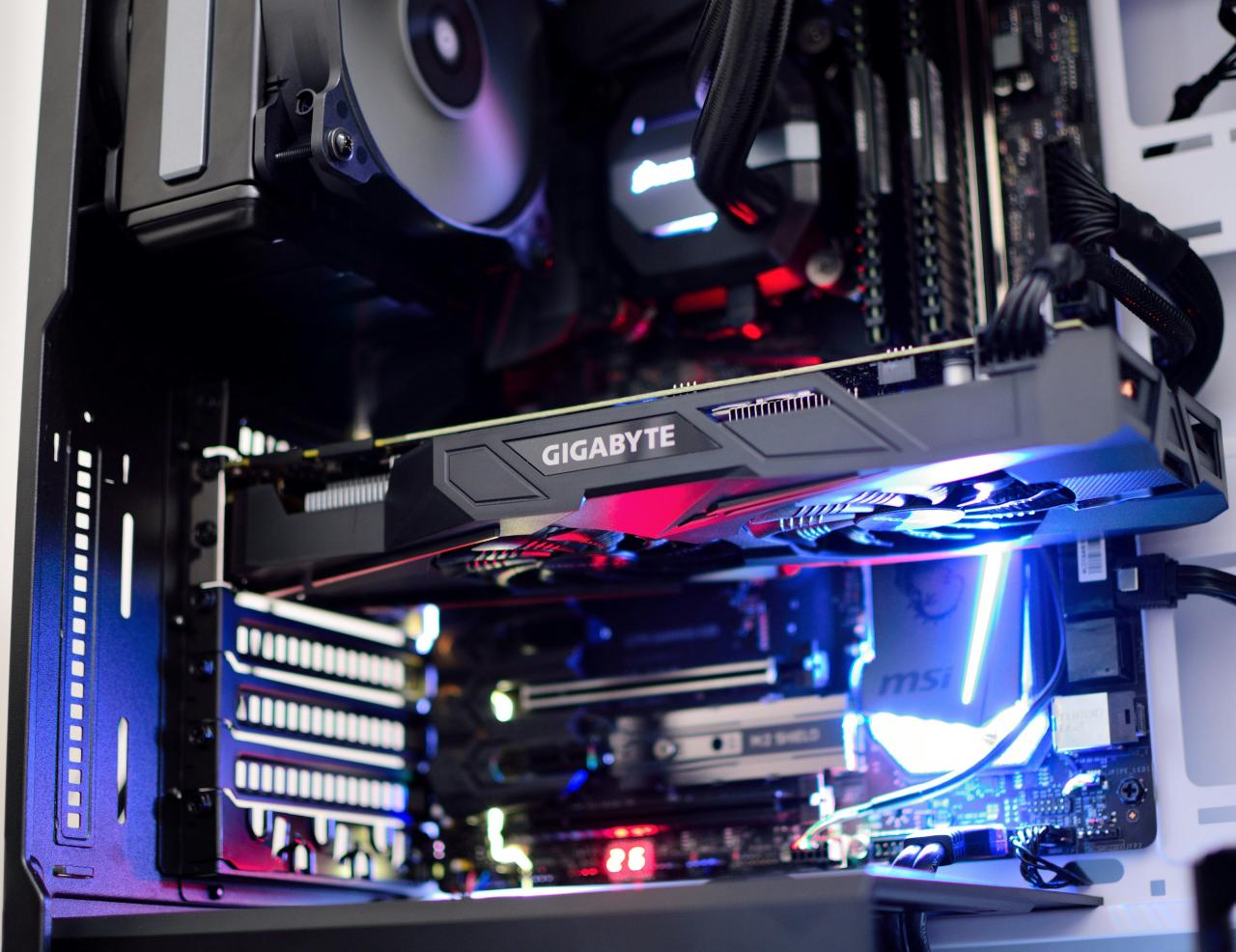
The most critical component of a cloud gaming architecture is how the server handles the massive graphical requirements of modern titles.
A. Hardware-Accelerated Virtualization
Traditional servers are designed for text and data, not for 3D rendering. High-performance architectures use specialized GPUs that can be “sliced” into multiple virtual instances. This allows a single physical server to support dozens of individual gamers simultaneously without a drop in performance.
B. Direct GPU Pass-Through
For high-end competitive play, some architectures dedicated an entire physical GPU to a single user. This eliminates the overhead created by virtualization layers. It ensures the lowest possible frame times for the most demanding AAA titles.
C. Dynamic Resource Allocation
The system must be able to shift power in real-time. If a player enters a graphically intense scene, the architecture automatically pulls more compute power from the server pool. This ensures a consistent frame rate regardless of the action on screen.
Network Topology and Edge Computing Integration
Latency is the greatest enemy of cloud gaming, and solving it requires moving the servers closer to the players.
A. Edge Node Deployment
Instead of using a few massive data centers, cloud gaming providers use hundreds of “edge nodes” located in major cities. This reduces the physical distance data must travel. Lowering the “ping” is the most effective way to make a remote game feel local.
B. Point of Presence (PoP) Optimization
By placing servers directly within the data centers of major internet service providers, companies can bypass the congested public internet. This creates a “fast lane” for gaming data. It results in a much more stable connection for the end-user.
C. Load Balancing Across Regions
If a local edge node becomes overloaded, the architecture must seamlessly shift the user to the next closest node. This process must happen in the background without the player noticing a lag spike. Smart load balancing is essential for maintaining a high quality of service during peak hours.
Advanced Video Encoding and Streaming Protocols
Once the game is rendered on the server, it must be compressed and sent to the user as a video stream.
A. Low-Latency H.265 and AV1 Encoding
Modern architectures use hardware encoders like NVENC to compress video in a few milliseconds. The AV1 codec is particularly exciting as it provides higher visual quality at lower bitrates. This makes high-definition gaming possible even on slower internet connections.
B. Adaptive Bitrate Streaming
The system constantly monitors the user’s connection speed. If the network becomes unstable, the architecture lowers the resolution or bitrate instantly to prevent the stream from freezing. This priority on “interactivity over image quality” is a hallmark of gaming tech.
C. Real-Time Frame Pacing
The server must sync the game’s internal frame rate with the video encoder’s output. Any mismatch results in “stutter” or “screen tearing” on the user’s end. Advanced architectures use predictive algorithms to ensure every frame arrives at the perfect time.
Input Handling and Feedback Loops
Capturing a player’s input and sending it back to the server is the most sensitive part of the loop.
A. Polling Rate Synchronization
High-performance systems use specialized drivers to capture mouse and controller input at 1000Hz or higher. This raw data is then prioritized over the return video traffic on the network. This ensures the server reacts to the player’s movements as quickly as possible.
B. Predictive Input Algorithms
Some advanced architectures use AI to predict a player’s next move based on previous behavior. If a packet is lost, the server “guesses” the input to keep the game moving smoothly. This technique can mask minor network hiccups and maintain the feeling of control.
C. Haptic Feedback Transmission
Sending vibration and trigger data back to the controller adds another layer of complexity. The architecture must ensure that the “rumble” happens at the exact same moment the player sees an explosion on screen. This sensory synchronization is vital for a premium experience.
Security and Anti-DDoS Architectures
Because cloud gaming servers are public-facing, they are frequent targets for malicious attacks.
A. Distributed Denial of Service (DDoS) Mitigation
Massive traffic spikes can take a gaming node offline in seconds. High-performance architectures use automated scrubbing centers to filter out malicious traffic before it reaches the game server. This ensures that a single attack doesn’t ruin the experience for thousands of players.
B. Encrypted Streaming Tunnels
Every gaming session is encrypted to prevent “man-in-the-middle” attacks. This protects the player’s account data and prevents hackers from spying on the video stream. Strong encryption must be achieved without adding significant latency to the signal.
C. Anti-Cheat at the Server Level
One benefit of cloud gaming is that the game files are stored on a secure server. This makes it almost impossible for players to use traditional “wall-hacks” or “aim-bots.” The architecture inherently provides a fair competitive environment for everyone.
Storage Systems and Rapid Asset Loading
Cloud gaming servers need to load massive amounts of data from storage to the GPU memory instantly.
A. NVMe over Fabrics (NVMe-oF)
This technology allows the GPU to access high-speed storage across the network as if it were directly attached. This eliminates long loading screens and allows for massive open-world games to stream assets in real-time.
B. Shared Asset Caching
If a hundred people are playing the same game on one server, the architecture shouldn’t load the same files a hundred times. Shared caches store common textures and models in high-speed RAM. This significantly reduces the storage load and speeds up the “boot time” for the game.
C. Instant-On Game States
Advanced architectures allow players to “pause” a game in the cloud and resume it instantly on a different device. The system saves the exact state of the GPU and RAM, allowing the player to jump back into the action in seconds.
The Evolution of Cloud-Native Game Design
As the infrastructure matures, developers are starting to build games that could never run on a local console.
A. Distributed Physics Engines
A cloud-native game can use multiple servers to calculate the physics for thousands of objects at once. This allows for total environmental destruction and massive-scale battles. The architecture treats the entire data center as a single giant computer.
B. Persistent Virtual Worlds
Because the game lives in the cloud, the world can continue to evolve even when the player is offline. The architecture manages a “living” state that is shared across thousands of users simultaneously. This is the foundation for the next generation of massive multiplayer experiences.
C. AI-Driven World Generation
Servers can use their massive compute power to generate unique landscapes and characters in real-time. This ensures that no two players have the exact same experience. The infrastructure supports the “procedural generation” of entire galaxies without slowing down.
Managing Thermal and Power Efficiency
Running thousands of GPUs in a single room creates an immense amount of heat and consumes significant energy.
A. Liquid Cooling Solutions
High-performance gaming racks often use liquid cooling to keep GPUs at optimal temperatures. This prevents “thermal throttling,” where the hardware slows down to protect itself. Consistent cooling leads to consistent frame rates for the gamer.
B. Green Energy Integration
Major cloud providers are building their gaming nodes near renewable energy sources. This helps offset the high power consumption required for remote rendering. Sustainable infrastructure is becoming a key selling point for eco-conscious gamers.
C. Power-Efficient Hardware Customization
Architects are working with chipmakers to design GPUs specifically for cloud streaming. These chips prioritize “performance per watt” over raw speed. This allows for denser server racks and lower operational costs.
Global Scale and Multi-Cloud Strategy
To be successful, a cloud gaming platform must be available to everyone, regardless of their location.
A. Cross-Cloud Redundancy
Using multiple cloud providers (like AWS, Azure, and Google Cloud) ensures that the platform never goes down. If one provider has a localized outage, the architecture can shift traffic to another provider. This “multi-cloud” approach is the ultimate insurance policy for service uptime.
B. Localized Content Regulation
The architecture must be smart enough to serve different versions of a game based on local laws. This includes managing age ratings and censored content automatically. Automated compliance at the network level is essential for a global rollout.
C. Currency and Billing Integration
A global architecture must handle thousands of different payment methods and currencies. This involves integrating with local fintech providers at the “edge” of the network. A seamless checkout process is just as important as a seamless frame rate.
Conclusion
High-performance cloud gaming infrastructure architectures are the ultimate realization of the “compute anywhere” vision. The traditional hardware cycle is being replaced by a flexible and scalable digital service. GPU virtualization allows for the most efficient use of expensive hardware across a global user base. Edge computing is the essential ingredient that solves the latency problem for interactive media. Advanced encoding ensures that high-quality visuals are accessible even on modest internet connections. The security of the cloud environment provides a level of fair play that local gaming cannot match. Storage innovations like NVMe-oF are ending the era of the long loading screen forever.
Cloud-native games are beginning to explore scales of physics and persistence that were previously impossible. Thermal management and energy efficiency are the hidden challenges that define the success of a data center. A multi-cloud strategy provides the redundancy needed for a truly global and reliable gaming platform. Input handling and haptic feedback are the final frontiers in making remote gaming feel indistinguishable from local play. The integration of AI into these architectures will lead to smarter resource management and predictive performance. As 5G networks continue to expand, the potential audience for these platforms will grow into the billions.
The death of the physical console is not quite here, but the foundation for its replacement is already built. Investors and developers must focus on the infrastructure layer to win the next great war in the gaming industry. The technical complexity of these systems is a testament to how far network engineering has come in a decade. Ultimately, cloud gaming is about democratizing high-end experiences for everyone on the planet.