The metamorphosis of interactive entertainment from a casual pastime into a high-stakes arena of professional discipline has necessitated a new era of systemic mastery. We are currently navigating a high-velocity landscape where the marginal difference between a standard player and an elite competitor is defined by technical orchestration and neurological refinement. This evolution in the gaming ecosystem requires a sophisticated understanding of input latency, spatial awareness, and the psychological fortitude needed to maintain peak performance under extreme pressure. For the modern enthusiast or aspiring professional, mastering the mechanics of competitive systems is a fundamental pillar for scaling digital influence and securing a legacy in a hyper-competitive global arena.
Achieving master status in this domain involves more than just rapid reflexes; it requires a deep dive into hardware synchronization, cognitive load management, and the architecture of tactical decision-making. This guide is designed to deconstruct the complex layers of modern gameplay, providing you with a masterclass in the strategies used to unlock your full mechanical potential. By focusing on the synergy between technical precision and raw mental endurance, you can transform your gaming sessions from a static activity into a dynamic, high-performance engine of victory. Let us explore the blueprints of digital sovereignty and discover how to build a legacy of competitive excellence that thrives in an era of rapid scientific and technological acceleration.
The Structural Foundation of Input Precision
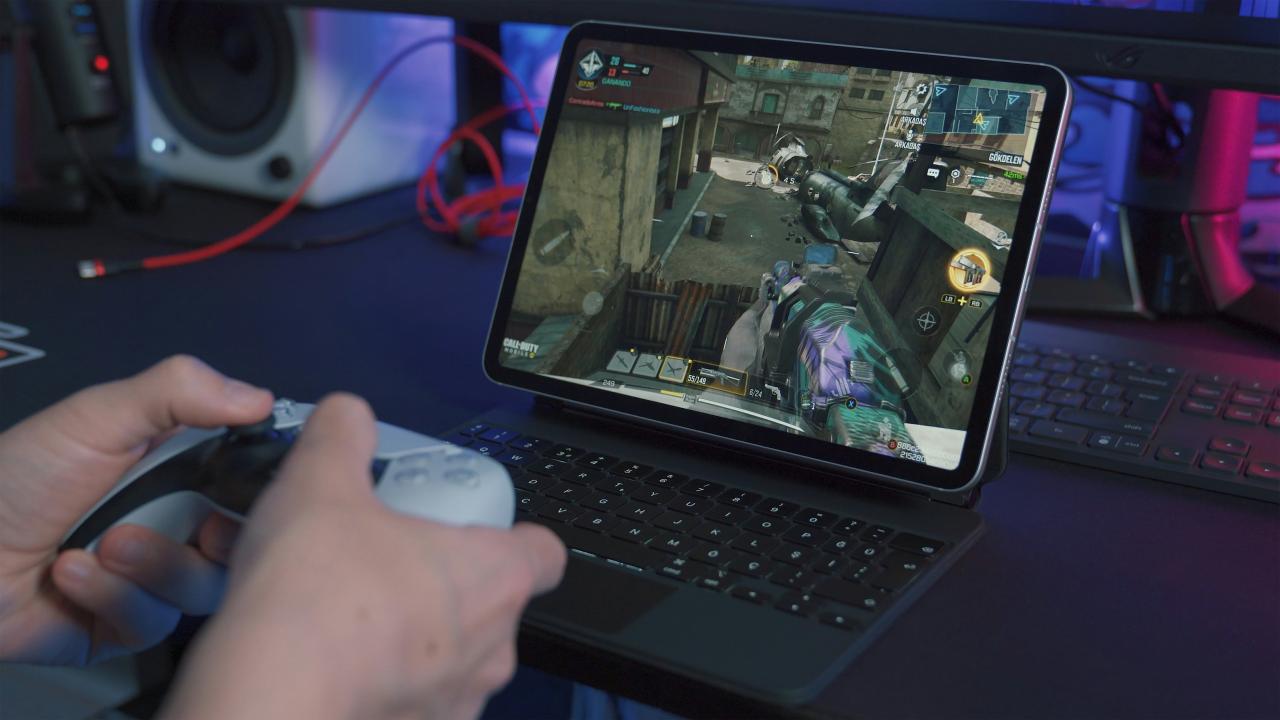
Building an elite gaming environment starts with the physical interface between the human nervous system and the digital machine. You must treat your hardware setup with the same level of professional scrutiny as a high-stakes research laboratory.
A. Minimizing System Latency and Input Lag
The bedrock of competitive success is the reduction of the “end-to-end” delay between a physical click and a screen action. High-polling rate peripherals and low-latency monitors are the technical requirements for maintaining a “real-time” connection with the game world. Every millisecond saved is a physical advantage that allows you to react faster than your opponent’s hardware allows them to.
B. Optimizing Refresh Rates and Frame Consistency
Consistency is the silent driver of mechanical skill. A stable frame rate ensures that the visual information sent to your brain is fluid and predictable, which is essential for developing precise muscle memory. Fluctuations in performance can disrupt your timing and cause “micro-stutters” that lead to missed opportunities in high-pressure scenarios.
C. Peripheral Ergonomics and Kinetic Alignment
The way you sit and hold your tools directly impacts your physical longevity and performance speed. Aligning your monitor at eye level and ensuring your arm has a full range of motion reduces the risk of fatigue. Proper ergonomics allow you to play at an elite level for longer durations without degrading your mechanical accuracy.
Advanced Frameworks for Tactical Mastery
Competitive victory is rarely about raw speed alone; it is about the superior application of information. High-level frameworks provide the path to outsmarting opponents through systematic map control and resource management.
A. Spatial Awareness and Map Geometry Control
Understanding the “lanes” and “choke points” of a digital environment allows you to predict enemy movement before it happens. This spatial intelligence is influenced by sound cues and visual positioning, providing a physical foundation for pre-emptive actions. Controlling the map is equivalent to controlling the pace of the entire engagement.
B. Resource Management and Ability Economy
In games with limited resources or cooldowns, the “economy” of your actions determines your win rate. Using your most powerful abilities too early can leave you vulnerable during a critical fight. Mastering this economy requires a disciplined mind that prioritizes long-term victory over short-term dopamine hits.
C. Communication Protocols and Team Synchronization
In team-based environments, the flow of information must be fast and precise. Developing a shared language of “call-outs” ensures that every member of the team is acting on the same set of data. Synchronization transforms a group of five individuals into a single, high-performance unit.
The Neurobiology of Professional Gameplay
In the world of high-level competition, the repetitive nature of your mental drills is what creates the permanent structure of your skill. You must train your brain to handle the massive data intake of a modern competitive environment.
A. Neuroplasticity and the Automation of Mechanics
By repeating specific drills, you shift the “work” of gameplay from the conscious mind to the basal ganglia. This automation allows your reflexes to fire without the delay of conscious thought. Once your mechanics are automated, your conscious mind is free to focus on high-level strategy and adaptation.
B. Cognitive Load Management and Decision Speed
The brain can only process a limited amount of information at once. Elite players use “chunking” to group complex game states into recognizable patterns. This reduces the mental energy required to understand what is happening, allowing for faster and more accurate decision-making under stress.
C. The Flow State and Temporal Distortion
Achieving “the zone” or a flow state is the ultimate goal of neural optimization. In this state, the sense of time shifts, and the game seems to slow down. This biological advantage allows for a level of precision and creativity that is impossible during normal waking consciousness.
Cultivating High-Performance Recovery Habits
Physical and mental output is only as good as the recovery that follows it. You must build an environment where your brain can repair itself after intense competitive sessions.
A. The Role of Deep Sleep in Muscle Memory Consolidation
During sleep, the brain replays the movements and strategies you practiced during the day. This process strengthens the neural pathways associated with those skills. Without deep sleep, your practice is significantly less effective, and your “skill ceiling” will plateau.
B. Managing Cortisol and Adrenaline Spikes
High-stakes matches trigger a “fight or flight” response that floods the body with stress hormones. While this is useful for short-term focus, chronic elevation of cortisol can lead to burnout and slower reaction times. Learning to regulate your breathing between rounds is a technical requirement for sustained performance.
C. Hydration, Nutrition, and Synaptic Speed
Your brain is a metabolically expensive organ that requires specific nutrients to fire correctly. Proper hydration ensures that the electrical signals in your brain travel at maximum speed. A diet rich in healthy fats supports the myelin sheath, which insulates your “neural wires” for faster transmission.
Technical Optimization of Game Software
The way you configure your game’s internal settings can provide a massive clarity advantage. You must eliminate visual clutter and prioritize information-dense assets.
A. Optimizing Field of View (FOV) and Visual Clarity
A wider FOV allows you to see more of the environment, but it can also make targets smaller. Finding the “sweet spot” for your specific monitor and distance is key. Removing unnecessary shadows and particle effects reduces the “noise” that can distract you from seeing a distant enemy.
B. Audio Equalization and Spatial Sound Mapping
Sound is often more important than sight in competitive gaming. Using specialized audio settings to boost frequencies like “footsteps” while dampening “explosions” allows you to hear the enemy coming from a mile away. This audio-visual synergy is the foundation of high-level awareness.
C. Custom Keybinds and Input Mapping
Your layout should be designed so that your most frequent actions are the easiest to reach. Minimizing the “travel distance” of your fingers saves precious milliseconds during an engagement. Customizing your interface ensures that the most important information, like health and ammunition, is always in your peripheral vision.
The Psychology of Competitive Sovereignty
In an era of toxic online environments, the ability to maintain your own emotional narrative is a superpower. Sovereignty is a muscle that can be trained through specific cognitive protocols.
A. Maintaining an Internal Locus of Control
Believing that your actions—rather than luck—determine the outcome leads to better learning. When you lose, focus on what you could have done differently rather than blaming teammates or game balance. This “growth mindset” is the primary driver of long-term mechanical improvement.
B. Managing the “Tilt” Cycle and Emotional Regulation
“Tilt” is a state of emotional frustration that degrades your decision-making and mechanical skill. Learning to recognize the early signs of tilt and taking a short break is a professional-grade strategy. Protecting your mental state is just as important as protecting your health in the game.
C. Community Engagement and Collaborative Growth
Surrounding yourself with other high-performers creates a “peer-pressure” effect that drives you to improve. Engaging in “scrims” and review sessions with others provides a fresh perspective on your own weaknesses. A strong community acts as a buffer against the isolation of solo-queue environments.
Data-Driven Improvement and VOD Review
The path to mastery is paved with data. You must move beyond “just playing” and start analyzing your performance like a professional scientist.
A. Video On Demand (VOD) Analysis and Error Identification
Watching your own gameplay allows you to see mistakes that were invisible during the heat of the moment. Focus on your deaths and missed opportunities. Identifying recurring patterns of failure is the first step toward correcting them.
B. Statistical Benchmarking and KDA Tracking
Using third-party tools to track your stats over time allows you to see if your training is actually working. Look for trends in your accuracy, damage output, and objective control. Data removes the “ego” from your self-assessment and provides a clear roadmap for growth.
C. Pro-Player Analysis and Meta Adaptation
Watching the world’s best players allows you to “borrow” their strategies and movement patterns. However, you must understand why they do what they do, rather than just copying them. Adapting to the “meta” (Most Effective Tactic Available) ensures you are always playing the most optimized version of the game.
The Future of Competitive Interaction
As we move toward more immersive technologies, the way we compete will continue to evolve. Staying ahead of the curve requires an adaptable mind.
A. Virtual Reality (VR) and Haptic Performance
Physical movement is becoming a bigger part of competitive gaming. In VR, your literal physical fitness and coordination are the primary drivers of success. This convergence of physical and digital sports is the next frontier of human performance.
B. AI Coaching and Real-Time Performance Feedback
Artificial intelligence is now being used to analyze your gameplay in real-time. These tools can give you instant feedback on your positioning and crosshair placement. Embracing these AI tools will allow players to reach elite status faster than ever before.
C. Brain-Computer Interfaces (BCI) and Direct Input
The ultimate goal of performance systems is the removal of the physical controller entirely. While still in its early stages, BCI technology promises a future where your thoughts are the only “input” required. This would represent the complete fusion of the human mind and the digital arena.
Conclusion
Advanced competitive gameplay systems are the primary key to achieving digital sovereignty. This journey requires a disciplined balance of technical hardware optimization and mental training. Every individual must take full responsibility for the governance of their own performance data. The ability to master competitive mechanics offers a revolutionary way to build a personal legacy. Systemic complexity should be embraced as the mechanism that creates a massive winning advantage. A successful gaming career is built on a foundation of consistent practice and deep recovery. Continuous learning is the only way to keep pace with the rapid innovation of gaming software.
Emotional discipline is more important than raw speed when navigating a high-pressure match. Rigorous documentation of your games ensures that your progress remains a permanent asset. The shift toward a professionalized gaming economy is an unstoppable force in modern culture. By following these strategic blueprints, you position yourself on the right side of the competitive revolution. Victory is not just about the final score but about the sovereignty and skill you build along the way. The systems provided here are your roadmap to navigating the complex landscape of high-level play. Focus on the mechanics, ignore the superficial distractions, and stay committed to your long-term vision.
True digital sovereignty is the ultimate goal of every elite architect in the gaming world. The future of entertainment is competitive, technical, and ready for those brave enough to master it. The road to prosperity is paved with data, discipline, and the courage to evolve your skills daily. Building your mechanical skill is a form of respect for the technology that makes the game possible. Success is measured by the resilience of your mental state and the consistency of your performance. Take control of your gaming destiny today by building a system that is truly your own.