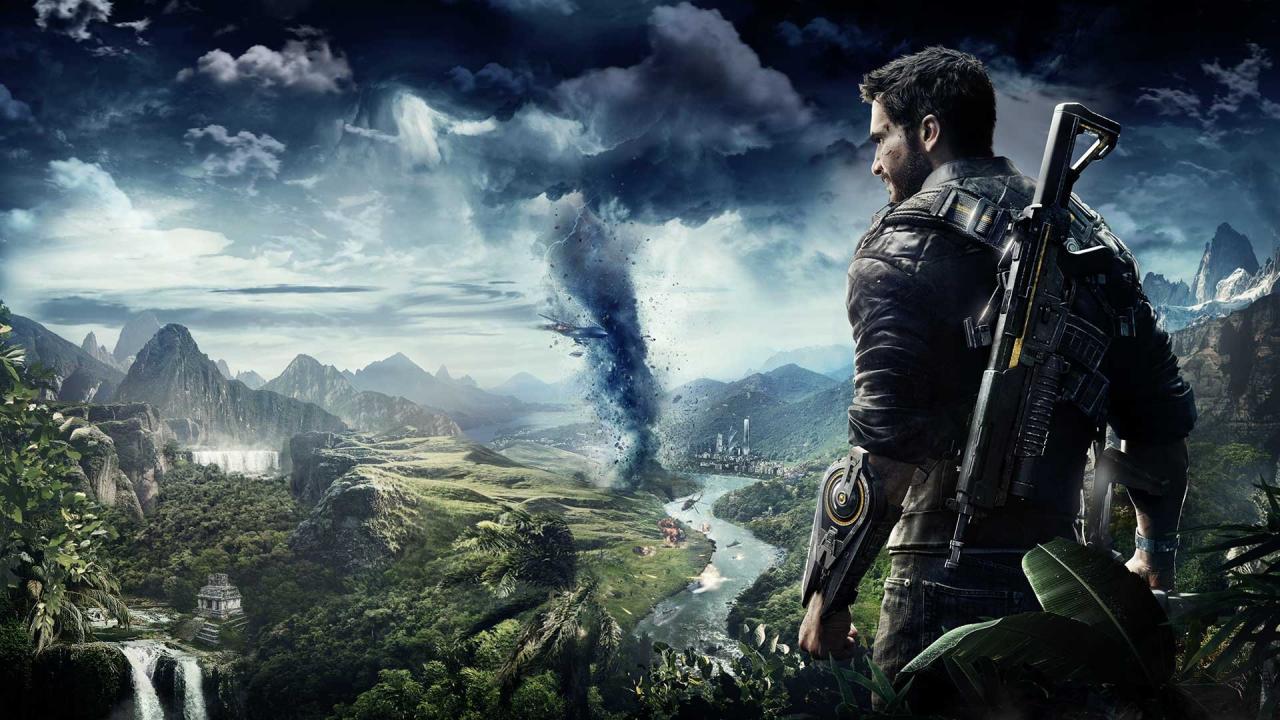
The landscape of interactive entertainment has shifted from simple pixelated adventures to deeply emotional and technologically advanced simulations that challenge our perception of reality. For the modern player, a great game is no longer just about high scores or repetitive mechanics; it is about the “flow state” achieved when a virtual world becomes indistinguishable from a living, breathing environment. These immersive experiences draw players in through a combination of hyper-realistic graphics, sophisticated spatial audio, and narrative depth that rivals the best of cinema and literature.
To achieve true immersion, developers must balance the technical aspects of game design with an intuitive understanding of human psychology and storytelling. As hardware capabilities continue to expand, we are seeing the rise of titles that allow for unprecedented levels of player agency and environmental interaction. Whether it is through the silent storytelling of an abandoned space station or the vibrant chaos of a futuristic metropolis, these games offer a portal to worlds we could previously only imagine.
Understanding what makes an experience truly immersive is essential for any enthusiast looking to dive deeper into the medium. This guide will explore the various genres and specific titles that define the pinnacle of modern gaming immersion, providing a roadmap for those seeking more than just a casual distraction. By examining the elements of world-building, character development, and atmospheric design, we can uncover why certain games stay with us long after the screen goes dark.
The Architecture Of Narrative Immersion

A game becomes immersive when its story feels like a natural extension of the world rather than a series of forced cutscenes. The best titles use environmental cues to tell a story without saying a word.
A. Environmental Storytelling and World Detail
Great games use the placement of objects, lighting, and background noise to hint at the history of a location. Every bloodstain or abandoned letter serves a purpose in building the player’s understanding of the setting.
B. Reactive Non-Player Characters (NPCs)
When the people inhabiting a digital world react realistically to your presence, the illusion of reality is strengthened. This includes small details like eye contact, overheard conversations, and dynamic responses to your actions.
C. Branching Paths and Meaningful Choices
Immersion is heightened when players feel their decisions have weight. A story that changes based on your moral choices creates a personal connection that linear games simply cannot match.
The Role Of Audio In Building Atmosphere
Audio is often the unsung hero of immersive gaming, providing the subtle cues that ground a player in a physical space. Without high-quality sound design, even the best graphics can feel hollow and artificial.
A. Binaural and Spatial Audio Technology
Modern headsets allow for 3D soundscapes where you can pinpoint the exact location of a footstep or a distant explosion. This spatial awareness is vital for creating a sense of “being there” in a digital environment.
B. Dynamic Soundtracks and Procedural Music
The best games use music that shifts based on the player’s emotional state or current action. A tense, quiet melody during exploration can seamlessly transition into a pounding orchestral score during combat.
C. High-Fidelity Ambient Soundscapes
The sound of wind through trees, the distant hum of a city, or the echo of a cavern adds layers of texture to the world. These ambient noises prevent the silence from feeling “dead” and keep the player engaged.
Exploring Open World Masterpieces
The open-world genre is the ultimate testing ground for immersion, offering massive landscapes that players can explore at their own pace. Success in this genre depends on the “density” of interesting things to find.
A. Living Ecosystems and Wildlife Interaction
A truly immersive open world features animals and plants that exist regardless of the player’s presence. Watching a predator hunt its prey in a virtual forest adds a layer of realism that makes the world feel alive.
B. Dynamic Weather and Day-Night Cycles
Changing light and weather patterns affect not only the visuals but also the gameplay. Rain might make roads slippery, while darkness might bring out more dangerous enemies or unique quests.
C. Seamless Transitions and Lack of Loading Screens
Nothing breaks immersion faster than a “loading” bar. Modern hardware allows for massive worlds that load in the background, keeping the player’s momentum and focus entirely on the game.
The Intensity Of First-Person Perspectives
By placing the camera directly in the eyes of the protagonist, developers can create a visceral connection between the player and the action. This perspective is the foundation of many of the most immersive titles ever made.
A. Physicality and Character Presence
Seeing your character’s hands interact with the environment or their legs as they run creates a sense of physical weight. This prevents the player from feeling like a floating camera and grounds them in the body of the hero.
B. Minimalist Head-Up Displays (HUD)
Many immersive games remove the traditional health bars and maps from the screen entirely. By putting this information on in-game gadgets or physical cues, the developer keeps the screen “clean” and cinematic.
C. Tactile Interaction and Motion Controls
In VR or motion-heavy games, the ability to physically reach out and grab an object is the peak of immersion. This 1:1 interaction bridges the gap between the real world and the digital one.
Psychological Horror And Atmospheric Tension
Horror games are uniquely suited for immersion because they rely on the player’s own fear and imagination. The best horror titles focus on “atmosphere” over “jump scares” to create a lasting sense of dread.
A. The Power of the Unseen and Sound Cues
Fear is often generated by what the player thinks they see in the shadows. Using sound to suggest a creature is nearby is far more effective for immersion than showing the monster immediately.
B. Limited Resources and Vulnerability
Immersion is boosted when the player feels they are in genuine danger. Limited ammunition, failing flashlights, and a lack of combat ability force the player to take the world’s threats seriously.
C. Isolated and Claustrophobic Settings
Confined spaces like space stations, abandoned asylums, or deep-sea bases naturally focus the player’s attention. This isolation makes every creak of the floorboard feel like a major event.
Tactical Simulations And Realistic Mechanics
For some players, immersion comes from the “crunchy” details of realistic systems. These games reward patience, planning, and a deep understanding of complex mechanics.
A. Complex Physics and Ballistic Models
In tactical shooters, factors like wind, gravity, and material penetration make the combat feel grounded. Players must think like a professional to succeed, which creates a deep sense of roleplay.
B. Survival Mechanics and Resource Management
Managing hunger, thirst, and body temperature forces the player to interact with the environment as a survivor. This constant need to find supplies keeps the player’s mind focused on the reality of the game.
C. In-Depth Vehicle and Machine Operation
Simulators for planes, cars, or spaceships provide immersion through a high number of interactive buttons and switches. Learning to operate a complex machine is a form of mastery that feels incredibly rewarding.
The Beauty Of Independent “Art” Games
Immersion doesn’t always require a multi-million dollar budget or hyper-realistic graphics. Many indie developers use unique art styles and abstract concepts to create deeply immersive emotional journeys.
A. Unique Art Styles and Visual Cohesion
A game with a hand-drawn or stylized look can be just as immersive as a photorealistic one if the style is consistent. These games often feel like walking through a living painting.
B. Experimental Music and Sound Design
Indie games often take more risks with their audio, using silence or abstract noises to create a specific mood. This unconventional approach can catch a player’s attention and draw them into a meditative state.
C. Metaphorical and Emotional Storytelling
Some of the most immersive games are about internal struggles like grief, joy, or discovery. By tapping into universal human emotions, these games create a connection that transcends digital boundaries.
Multiplayer And Social Immersion
Immersion can also be a shared experience. When players work together or compete in a well-designed world, the social interactions become part of the immersion itself.
A. Roleplaying Communities and Emerging Narratives
In many online worlds, players take on specific “jobs” and stay in character for hours at a time. These player-driven stories are often more complex and interesting than anything written by a developer.
B. Cooperative Problem Solving and Strategy
Working with a team to overcome a difficult raid or tactical challenge creates a sense of camaraderie. This shared focus on a goal makes the digital world feel like a real place with real stakes.
C. Competitive Integrity and Fairness
A fair competitive environment is essential for immersion in sports or fighting games. When the mechanics are precise and reliable, players can focus entirely on their skills and the flow of the match.
Historical And Period-Piece Authenticity
Traveling through time is one of the greatest promises of gaming. Developers spend thousands of hours researching historical periods to ensure their worlds look and feel authentic.
A. Accurate Architecture and Fashion
Walking through a digital version of ancient Rome or industrial-era London is a form of digital tourism. Seeing the correct building materials and clothing styles makes the time-travel illusion believable.
B. Period-Appropriate Dialogue and Language
The way characters speak can either build or break immersion. Using local dialects and period-accurate slang helps to ground the characters in their specific place in history.
C. Cultural and Political Context
A truly immersive historical game explores the social issues and beliefs of the time. This depth of context helps the player understand the motivations of the people they meet in the game world.
The Future Of Immersive Technology
As we look toward the horizon, new technologies are set to push the boundaries of immersion even further. These innovations will change how we interact with digital worlds forever.
A. The Evolution of Haptic Feedback
Next-generation controllers can simulate the feeling of different textures, like the grit of sand or the slickness of ice. This sense of touch is the next major step in tactile immersion.
B. Eye-Tracking and Foveated Rendering
By tracking where a player is looking, games can adjust the focus and detail of the world in real-time. This mimics how the human eye works, making the visuals feel much more natural.
C. Cloud Gaming and Infinite Scale
The ability to offload processing to massive servers means we could see worlds that are truly infinite in size and detail. This could lead to a future where digital worlds are as complex as our own.
Building An Immersive Setup At Home
While the software is important, your physical environment also plays a role in how much you “sink” into a game. A few small changes to your room can make a big difference.
A. Lighting and Ambiance Control
Playing in a dark room with bias lighting behind your monitor reduces eye strain and keeps your focus on the screen. Smart lights that sync with the game’s colors can also expand the “mood” of the game into your room.
B. Ergonomics and Physical Comfort
If you are uncomfortable, you will never be fully immersed. A high-quality chair and a desk at the correct height allow you to play for longer without the real world’s aches and pains distracting you.
C. Audio Isolation and Quality Hardware
Investing in open-back headphones or a high-quality surround sound system is the best way to appreciate a game’s audio design. Noise-canceling technology is also great for blocking out the distractions of a busy household.
The Ethical Considerations Of High Immersion
As games become more realistic, we must consider the impact they have on our mental state and our society. High immersion comes with high responsibility for both developers and players.
A. Managing Time and Digital Addiction
Immersive worlds are designed to be engaging, which can make it hard to step away. Setting boundaries and taking regular breaks is essential for maintaining a healthy relationship with gaming.
B. The Impact of Realistic Violence and Trauma
Developers must be careful about how they depict sensitive subjects in highly realistic settings. Players should also be aware of their own limits when engaging with intense or disturbing content.
C. Representation and Diversity in Digital Worlds
An immersive world should reflect the diversity of the real world. Seeing a wide range of characters and cultures makes a game feel more inclusive and authentic for a global audience.
Conclusion
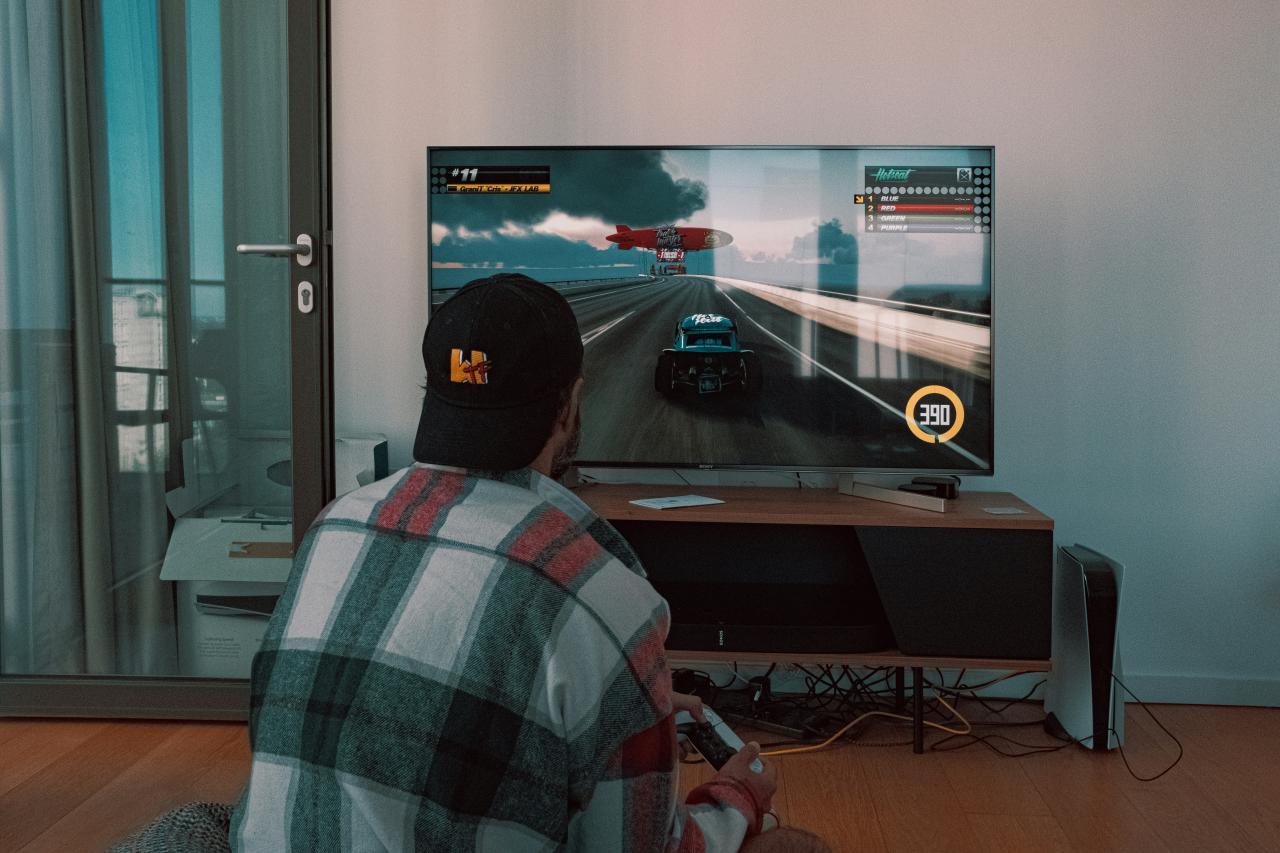
Immersive gaming is the pinnacle of modern digital artistry and technological achievement. The journey into a virtual world is a unique experience that blends creativity with logic. Every element of a game, from its sound to its story, plays a vital role in building immersion. Hardware advancements are constantly opening new doors for deeper and more complex simulations. Open-world titles provide the freedom to explore and live within a digital ecosystem.
Atmosphere and tension can create emotional connections that stay with players for years. The social aspect of gaming adds a layer of human unpredictability to the immersion. Historical accuracy allows us to experience the past in ways that books and movies cannot. Technology like VR and haptic feedback is bringing us closer to a truly tactile digital reality. A well-designed home setup is the final piece of the puzzle for achieving total focus.
We must remain mindful of the ethical challenges that come with highly realistic entertainment. The future of the medium is bright, with infinite possibilities for innovation and storytelling. Immersion is ultimately a personal experience that varies from one player to the next. A great game is a portal to a new world that challenges our skills and our perspectives. The pursuit of the “perfect” immersion is what drives the industry forward every day. Take the time to find the experiences that truly resonate with you and dive deep.