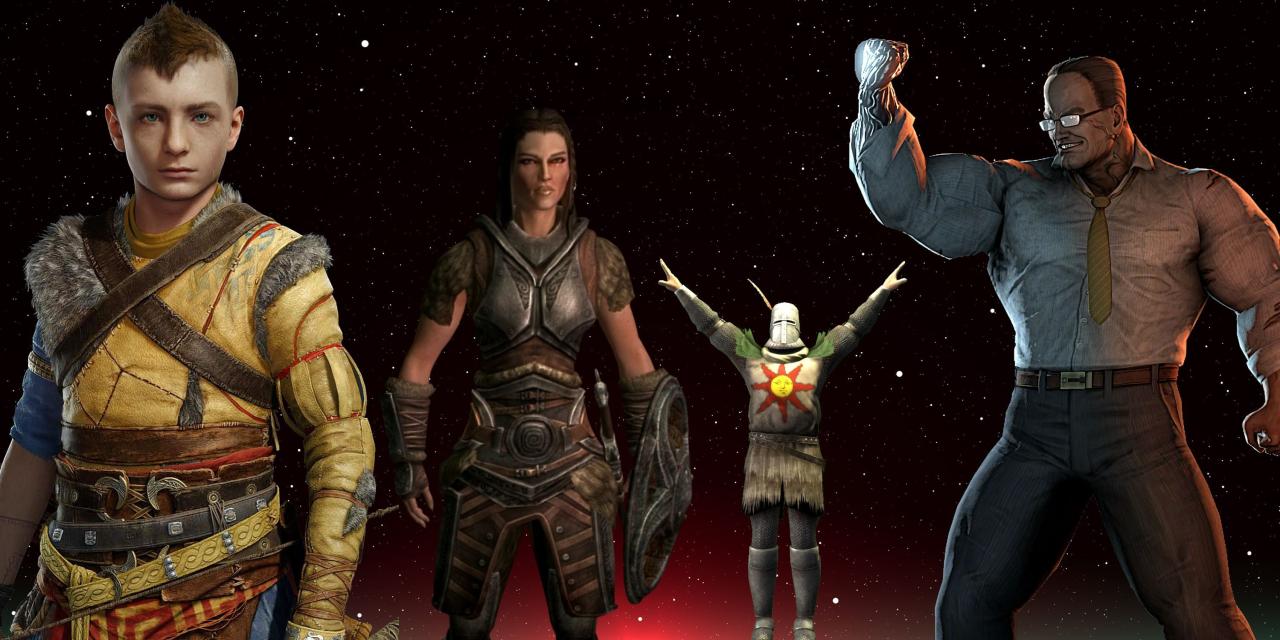
The global landscape of interactive entertainment is currently undergoing a massive paradigm shift driven by unprecedented technological breakthroughs. For decades, the gaming industry was limited by the physical constraints of local hardware and the linear nature of traditional software development. Today, we are witnessing the convergence of high-speed connectivity, artificial intelligence, and immersive hardware that is redefining what it means to play. These innovations are not just incremental upgrades; they represent a fundamental change in how digital worlds are constructed and inhabited.
As developers push the boundaries of realism and interactivity, the line between the virtual and the physical continues to blur at an accelerating pace. Gamers now expect experiences that are not only visually stunning but also deeply personalized and persistent across multiple devices. This transition is creating new opportunities for storytelling, social interaction, and even digital economies that were previously thought to be impossible. Understanding these emerging trends is essential for anyone who wants to grasp the future of human-computer interaction. In this deep dive, we will explore the critical technologies that are currently laying the groundwork for the next generation of gaming.
The Rise of High-Performance Cloud Gaming
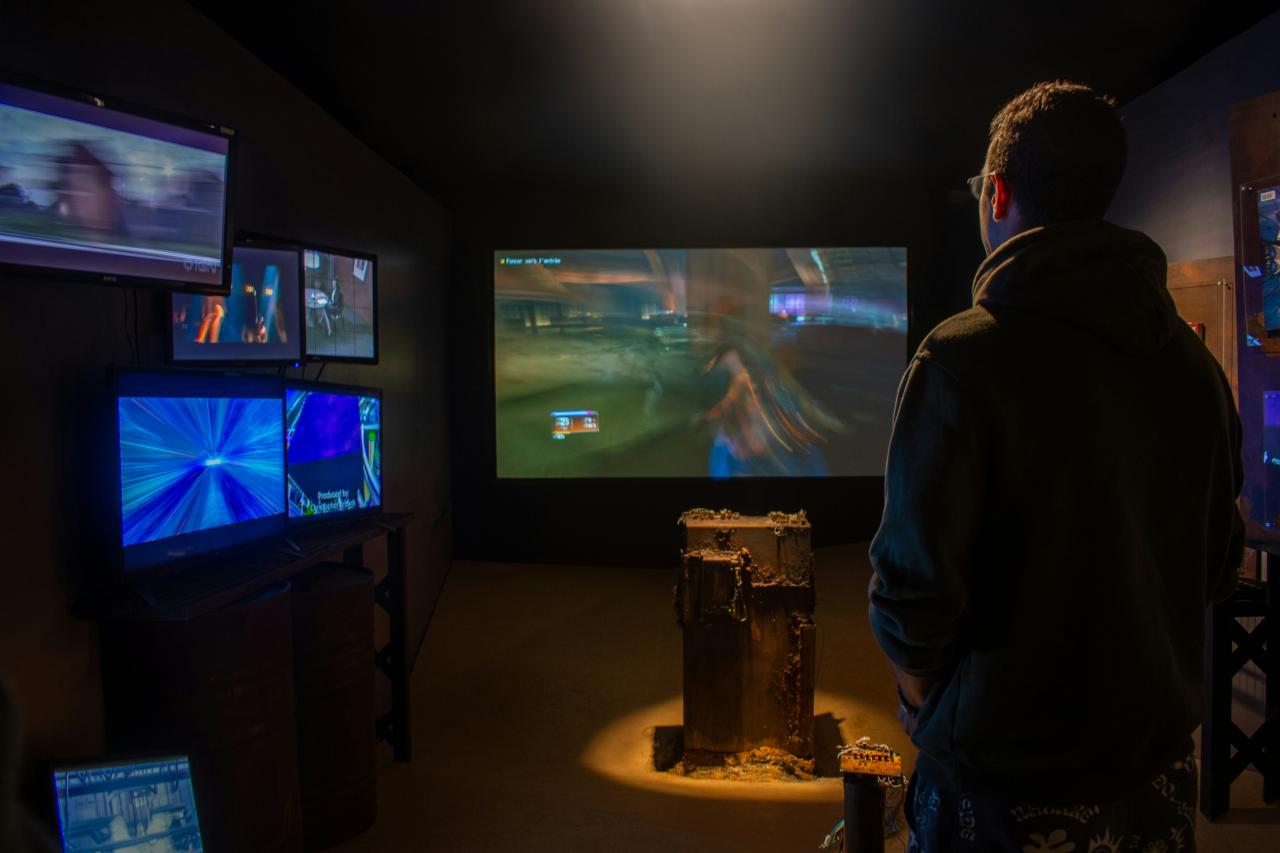
One of the most significant shifts in the industry is the decoupling of high-end gaming from expensive local hardware. Cloud gaming technology allows players to stream the latest triple-A titles directly to their devices via the internet, much like a movie on a streaming service. This democratizes access to gaming, as users no longer need to invest thousands of dollars in the latest graphics cards or consoles. The heavy lifting is done in massive data centers, with the rendered frames sent back to the player in milliseconds.
A. Eliminating Hardware Barriers
By moving the processing power to the cloud, gaming becomes accessible on smartphones, tablets, and even low-end laptops. This expands the potential player base to billions of people who previously couldn’t afford a gaming PC. It essentially turns every screen with an internet connection into a high-powered gaming rig.
B. Instant Access and Zero Downloads
The traditional model of waiting hours for a 100GB game to download and install is becoming a thing of the past. With cloud streaming, you can jump into a massive open-world game instantly with a single click. This convenience factor is a major driver for casual players who value their time above all else.
C. Persistent and Unified Ecosystems
Cloud gaming allows your progress to follow you seamlessly from your living room television to your mobile device during a commute. Because the game state lives on a server, there is no risk of losing save data or dealing with synchronization errors. It creates a truly platform-agnostic experience where the hardware you use is secondary to the game itself.
Generative AI and Intelligent Virtual Worlds
Artificial Intelligence has moved far beyond simple pathfinding and basic enemy behavior. The integration of generative AI is allowing developers to create worlds that are more reactive, unpredictable, and alive than ever before. This technology can generate vast landscapes, intricate dialogue, and complex quests on the fly, ensuring that no two players have the exact same experience. It is the beginning of a new era where the game learns from the player as much as the player learns the game.
A. Procedural Content Generation at Scale
Modern AI tools can assist designers in building massive universes that would take human artists decades to finish manually. From the placement of every tree in a forest to the architectural style of a distant city, AI ensures variety and detail. This allows for nearly infinite exploration without the repetitive “copy-paste” feel of older games.
B. Dynamic NPC Interactions
Non-player characters (NPCs) are becoming much more than just quest-givers with fixed scripts. Large language models allow NPCs to have natural, fluid conversations with players, responding to specific questions in real-time. This creates a much deeper sense of immersion and makes the digital world feel inhabited by sentient beings.
C. Adaptive Difficulty and Personalization
AI can monitor a player’s skill level and emotional state to adjust the game’s difficulty dynamically. If you are struggling with a boss, the AI might subtly alter the environment to help you succeed. Conversely, if you are breezing through the content, it can ramp up the challenge to keep you engaged and focused.
The Evolution of Immersive Reality
Virtual Reality (VR) and Augmented Reality (AR) have finally reached a level of maturity where they are becoming viable for the mainstream market. Modern headsets are lighter, higher resolution, and more comfortable for long-range gaming sessions. Beyond just vision, haptic feedback technology is allowing players to “feel” the virtual world through specialized suits and controllers. This sensory immersion is the ultimate goal of gaming, placing the user directly inside the digital narrative.
A. Spatial Audio and 3D Soundscapes
True immersion requires more than just good graphics; it requires sound that behaves as it does in the real world. Spatial audio technology calculates how sound waves bounce off virtual walls and objects to create a perfect 3D soundstage. This allows players to track enemies by ear and feel the true scale of large cavernous environments.
B. Advanced Haptic Feedback Systems
New controllers and wearable gear can simulate the sensation of different textures, recoil from a weapon, or even the feeling of rain. These tactile cues provide a physical connection to the digital world that was missing in previous generations. It bridges the gap between seeing an action and feeling the consequences of that action.
C. Augmented Reality in Urban Spaces
While VR takes you to another world, AR brings the game into your living room or city streets. By overlaying digital objects onto the real world via glasses or phone cameras, developers are creating “mixed reality” games. This turns physical exercise and exploration into a gamified experience that encourages social interaction in the real world.
Blockchain and Digital Ownership
The concept of value in gaming is being redefined by decentralized ledger technology and non-fungible tokens. For the first time, players can truly own their in-game assets, such as rare weapons, character skins, or virtual plots of land. These assets can be traded or sold on open markets, often for real-world currency, creating a “Play-to-Earn” economy. This shift turns gaming from a purely recreational activity into a potential source of income for skilled players.
A. True Asset Portability
In a traditional game, if the servers shut down, your expensive skins and items vanish forever. With blockchain-based gaming, the asset exists on a decentralized network independent of the game developer. This means you could potentially use a sword earned in one game as a decoration or weapon in an entirely different game.
B. Decentralized Player Governance
Some modern games are allowing their communities to vote on future updates and balance changes using “governance tokens.” This gives the players a direct stake in the development and direction of the project. It moves the industry toward a more democratic model where the developers and the players are true partners.
C. Transparent Digital Scarcity
Blockchain allows for verifiable proof that an item is rare, with a fixed number of copies in existence. This creates a legitimate collector’s market where players can invest in digital items with the confidence that they won’t be “inflated” away. It adds a layer of economic strategy to the gameplay that many find highly engaging.
The Impact of 5G and Edge Computing
The infrastructure of the internet is the silent hero of the modern gaming revolution. The rollout of 5G networks provides the low latency and high bandwidth necessary for competitive multiplayer and cloud gaming on the go. Furthermore, “Edge Computing” moves the processing power closer to the user, reducing the physical distance data has to travel. This combination ensures a lag-free experience that is indistinguishable from playing on a local console.
A. Ultra-Low Latency for Competitive Play
In the world of professional e-sports, even a few milliseconds of lag can mean the difference between winning and losing. 5G reduces this delay to near-zero levels, allowing for high-stakes competition even on mobile networks. It enables a level of precision that was previously only possible with wired fiber-optic connections.
B. Massively Multiplayer Scale
Improved network infrastructure allows for “mega-servers” where thousands of players can interact in the same space simultaneously. This leads to massive virtual battles and living cities that never sleep. The sense of scale in modern online games is reaching a point where they are becoming true digital civilizations.
C. Remote Collaborative Development
Faster internet speeds also change how games are made, allowing developers from around the world to collaborate on massive files in real-time. This decentralized development model leads to more diverse ideas and faster release cycles. It allows independent studios to utilize the same powerful tools that were once exclusive to giant corporations.
Sustainable and Ethical Gaming Innovations
As the industry grows, there is an increasing focus on the environmental and social impact of gaming. Emerging technologies are being used to make data centers more energy-efficient and to ensure that games are accessible to everyone. Inclusivity and sustainability are no longer afterthoughts; they are core components of how the next generation of games is being designed. This ensures that the future of gaming is not only exciting but also responsible and fair.
A. Energy-Efficient Cloud Infrastructure
Major cloud providers are investing heavily in renewable energy to power the servers that run our games. New liquid cooling technologies and AI-driven power management are significantly reducing the carbon footprint of the digital world. This allows players to enjoy high-end experiences without the guilt of excessive energy consumption.
B. Advanced Accessibility Features
Technologies like eye-tracking and neural interfaces are allowing people with physical disabilities to enjoy gaming. Developers are using AI to provide real-time audio descriptions and haptic feedback for visually impaired players. Gaming is becoming a truly universal language that transcends physical limitations.
C. Ethical Monetization Models
There is a growing trend toward “fair” monetization that avoids predatory loot boxes and pay-to-win mechanics. Subscription models and battle passes provide a more predictable and transparent way for players to support the games they love. This builds a healthier relationship between the creator and the consumer, ensuring the long-term viability of the industry.
Conclusion

The future of gaming is being built on a foundation of incredible technological synergy. Every year we see the gap between reality and the digital world shrink a little more. Cloud technology has finally broken the chains that tied us to expensive hardware. Artificial Intelligence is the new architect of our most beloved virtual universes. Immersive reality is moving from a novelty to a fundamental way we experience stories. Digital ownership is empowering players to take control of their own financial destinies.
High-speed networks are the lifeblood that keeps these massive ecosystems running smoothly. Sustainability and ethics are ensuring that our digital hobbies do not harm the real world. The social connections made in these games are becoming as real as those made in person. We are standing at the threshold of a new era of human creativity and interaction. Gaming is no longer just a pastime; it is the primary frontier of technological innovation. The only limit to the future of gaming is the extent of our own collective imagination. It is an incredible time to be a player in this rapidly evolving digital landscape.