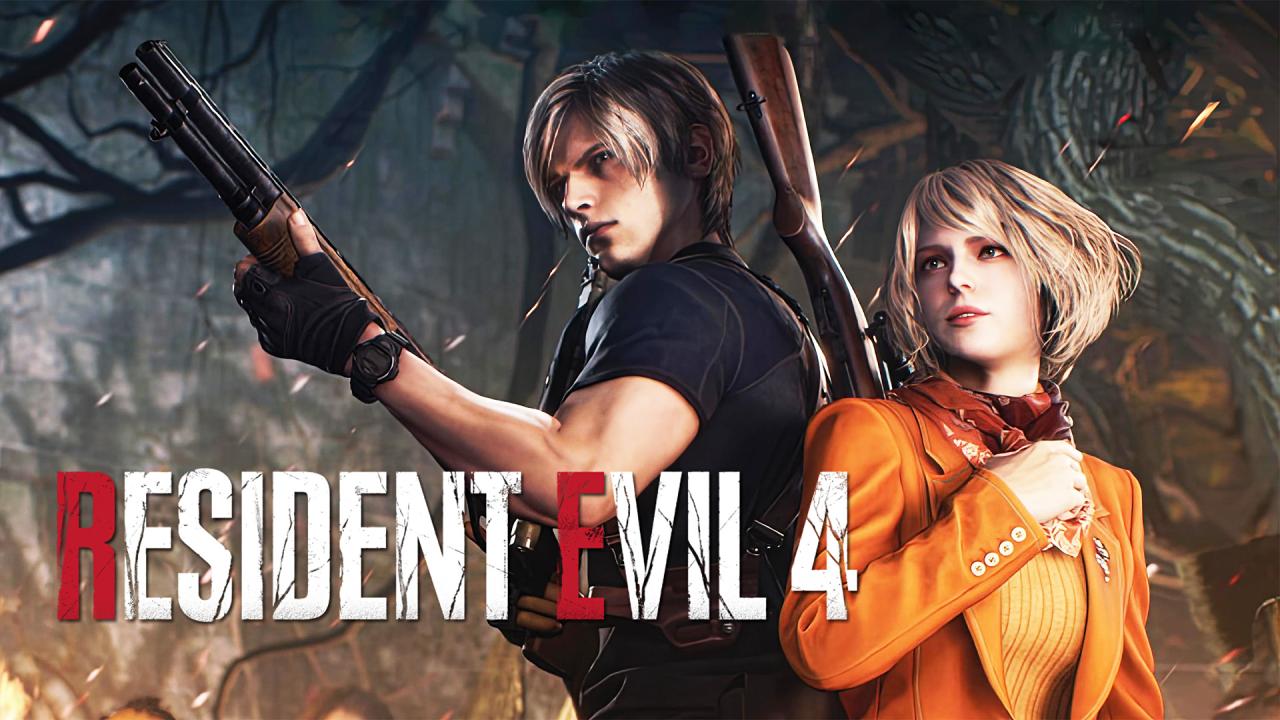
The Resident Evil franchise, a towering colossus in the survival horror genre, has terrified and captivated players for decades, setting a definitive benchmark for how to blend tense action with meticulous resource management and deeply unsettling atmospheric dread.
It is a legendary series known for pioneering the very concept of survival horror, demanding that players not merely fight through hordes of the undead, but carefully conserve precious ammunition, solve intricate environmental puzzles, and strategically navigate claustrophobic, danger-filled spaces.
This signature formula—combining fixed camera angles or over-the-shoulder third-person shooting with a compelling, if often bizarre, narrative centered on bio-weapons, corporations, and global conspiracies—has cultivated a deeply loyal fanbase that appreciates both the adrenaline rush of a close call and the intellectual satisfaction of unlocking a cryptic door.
However, even the most dedicated veterans of Raccoon City or the Baker household eventually find themselves craving a new type of horror, a different flavor of fear, or a fresh set of challenges that still manage to tap into that same core feeling of vulnerability and isolation.
Finding games that successfully replicate that perfect balance of action, exploration, and the constant, nagging anxiety of low resources can be a daunting quest, yet the world of horror gaming is rich with masterpieces that manage to deliver similar levels of psychological stress and visceral thrills.
Defining the True Spirit of Survival Horror
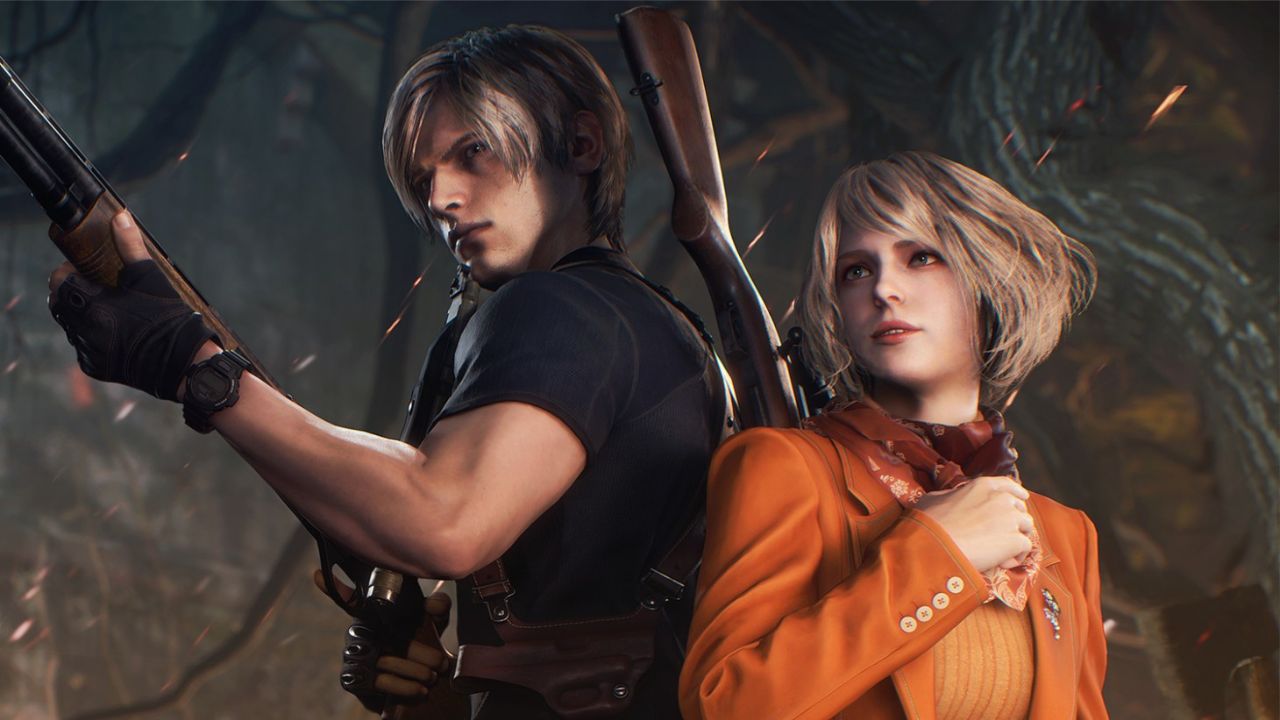
The enduring appeal of the Resident Evil formula lies in several core gameplay elements that are essential for any successful spiritual successor to replicate.
A. Resource Scarcity: The constant struggle to manage a severely limited supply of ammo, healing items, and inventory slots is paramount.
B. Environmental Puzzles: Players must engage their minds by solving complex, integrated puzzles to unlock new paths or advance the plot.
C. Persistent Threat: A lurking, terrifying enemy that is either invincible or extremely difficult to kill, forcing the player to prioritize evasion over confrontation.
D. Atmospheric Isolation: A masterfully crafted setting—be it a mansion, police station, or remote village—that makes the player feel truly alone and vulnerable.
E. Intense Combat Encounters: Action sequences that are deliberately difficult and draining, making every shot count and every successful fight feel like a hard-won victory.
Top-Tier Games That Capture The Horror and Tension
If you are seeking games that excel in delivering that particular blend of fright, puzzles, and resource management found in the Resident Evil series, these recommendations are must-plays.
I. The Classic Survival Horror Cousins
These titles share the closest DNA with the foundational mechanics of the early Resident Evil games.
1. Silent Hill 2
Often hailed as one of the greatest horror games ever made, Silent Hill 2 focuses heavily on psychological horror and deep, personal narrative rather than B-movie bio-terror.
While the combat is deliberately clunky, the game excels at creating a pervasive, inescapable sense of dread through its oppressive fog, disturbing creature design, and masterful sound engineering.
It appeals to Resident Evil fans who prioritize deep, character-driven narratives and a constant, mounting sense of dread over explosive action.
2. The Evil Within (Series)
Created by Shinji Mikami, the director of the original Resident Evil, The Evil Within is perhaps the most direct spiritual successor to the classic survival horror genre.
It features a deliberate over-the-shoulder perspective, extremely limited resources, and gruesome, imaginative enemy designs. The game frequently shifts its environment, keeping players off-balance, and its focus on environmental traps and stealth mechanics provides a fresh, yet familiar, tactical challenge to combat.
3. Alien: Isolation
This game is a pure masterclass in persistent threat and overwhelming vulnerability, much like a Resident Evil title where you have almost no bullets.
Players are relentlessly stalked by a single, near-invincible Xenomorph, forcing them to rely almost entirely on stealth, misdirection, and ingenious use of the environment.
It is a perfect choice for fans who love the tension of facing a Tyrant or Nemesis but want that feeling of being hunted stretched across the entire game.
II. Action-Horror With Strategic Depth
These games maintain the horror themes but lean slightly more into action and unique combat mechanics, similar to Resident Evil 4 and later titles.
1. Dead Space (Series)
Set aboard derelict space vessels, Dead Space successfully translates the survival horror formula to a science-fiction setting while introducing the innovative concept of Strategic Dismemberment.
Players must shoot the limbs off the horrific Necromorphs to kill them, requiring tactical aiming even in the midst of panic. It expertly blends a claustrophobic, atmosphere-heavy setting with action combat that remains stressful due to limited ammo and the sheer speed of the enemies.
2. Alan Wake 2
This game masterfully combines supernatural horror, investigative thriller elements, and focused action. Players must use light—often in the form of a flashlight—to destroy the darkness shielding enemies before they can be effectively harmed with firearms.
This unique light mechanic adds a crucial layer of resource management and tactical thinking to every encounter, resonating with the Resident Evil philosophy of controlled aggression.
3. Dying Light (Series)
While more of an open-world action-RPG, Dying Light delivers intense survival horror through its first-person perspective, parkour movement, and brutal melee combat.
The core horror element centers on the day/night cycle, where the relatively manageable zombies of the day become terrifying, fast, and powerful predators at night, forcing players into desperate flight or intense, skill-based fights.
It captures the survival spirit through crafting and environmental traversal.
III. Indie and First-Person Frights
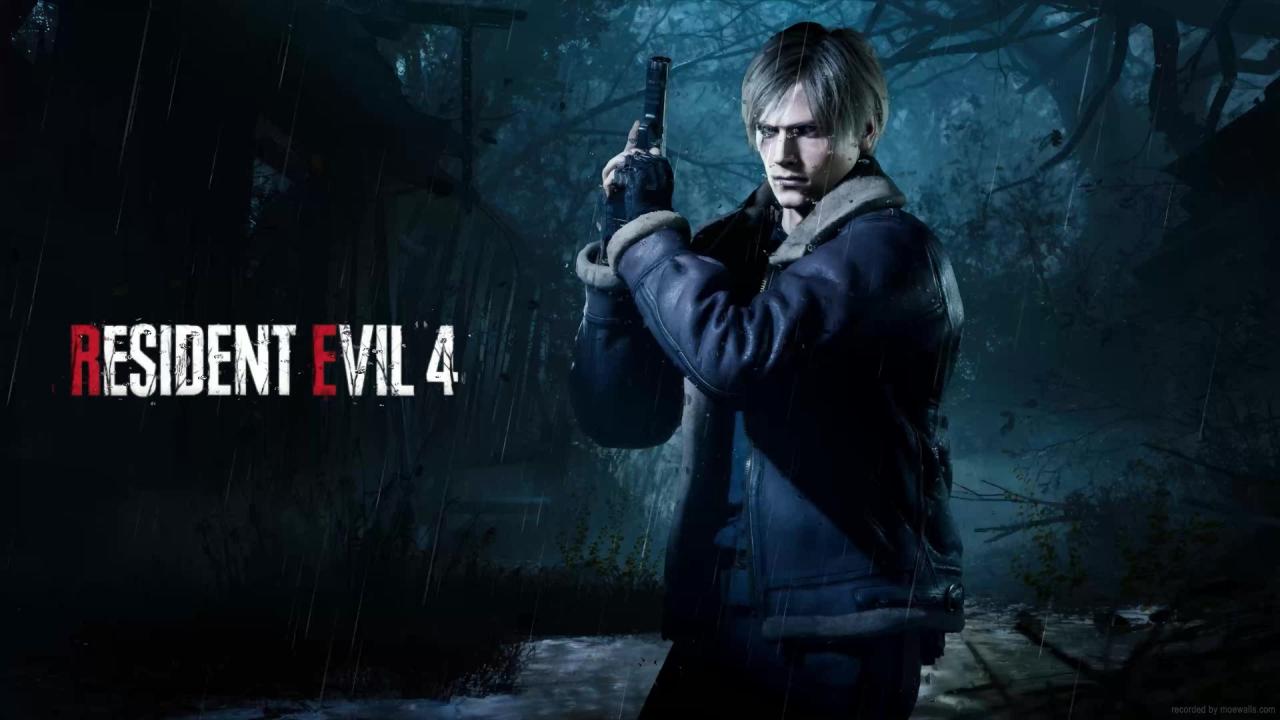
For those who enjoy the Resident Evil 7 and Village shift to first-person horror, these smaller-scale games offer intense immersion.
1. Outlast (Series)
Outlast pushes the concept of vulnerability to its extreme, making the player entirely defenseless against the monstrous inhabitants of an asylum or cult.
The only tool is a night-vision camera, which constantly drains batteries (a form of resource scarcity). This reliance on running, hiding, and observing creates an unmatched level of pure, desperate fearthat strips away the action element completely.
2. Amnesia: The Bunker
This game places the player inside a dark, desolate World War I bunker with a persistent, unpredictable monster and a deep emphasis on environmental interaction and physics-based puzzles.
Resources, particularly lamp fuel and tools, are incredibly scarce, forcing constant decision-making about when to risk making noise or conserve light, perfectly echoing the core dilemma of a true survival game.
3. Metro Exodus (Series)
Though primarily a post-apocalyptic first-person shooter, the Metro series is steeped in survival mechanics, demanding that players manage gas masks, filter time, and sparse military-grade ammunition.
Its terrifying, claustrophobic tunnels and irradiated landscapes create an unrelenting atmosphere of dread and resource dependency that strongly appeals to the pragmatic survivalist in every Resident Evil fan.
Key Tactics for Surviving New Horror Worlds
Transitioning from the familiar terrors of Resident Evil to a new horror game requires a few mental and tactical adjustments to truly thrive.
A. Change Your Inventory Mindset: Understand if the new game uses limited inventory slots or a weight-based system, as this determines what you must carry.
B. Master the Non-Combat Tools: Learn to fully utilize environmental clues, stealth mechanics, and secondary gadgets like flashlights or cameras, which are often more vital than weapons.
C. Accept the Clunky Controls: Many horror games intentionally make movement or aiming slow to enhance tension, so embrace the deliberate, heavy feeling.
D. Prioritize Evasion Over Killing: Remember the core of survival horror is staying alive, which often means avoiding conflict entirely to save essential resources.
E. Listen to the Environment: Sound design is crucial in horror; paying attention to distant groans, footsteps, or environmental creaks is your most important warning system.
Conclusion
The enduring thrill of Resident Evil comes from perfectly balancing the fear of death with the slim possibility of overcoming impossible odds.
Finding a new game that replicates this high-wire act of tension, puzzle-solving, and resource management is a rewarding challenge for any seasoned horror fan.
The titles listed here demonstrate the genre’s incredible depth and its capacity to evoke fear through diverse settings and unique mechanics.
From the psychological torment of Silent Hill 2 to the pure desperation of Alien: Isolation, a new journey into darkness awaits your brave exploration.
Each recommendation provides a fresh set of challenges designed to test your nerve, your tactical planning, and your ability to persevere when ammunition runs low.
By venturing into these new, terrifying worlds, you ensure that the heart-pounding legacy of survival horror continues to thrive on your console or PC.
You are simply swapping one haunted mansion or zombie-infested city for another, and the feeling of securing survival against overwhelming odds is just as sweet.