The Player-Creator Economy Reshapes Gaming
The traditional model of video game development—a centralized, monolithic process where professional studios alone conceive, build, and deliver every byte of content—has reached a compelling and inevitable inflection point.
Historically, players were confined to the roles of consumers and critics, their interaction limited to the confines of the world the developers meticulously constructed for them.
However, in an age defined by digital connectivity, ubiquitous creative tools, and a powerful desire for personalization, that rigid distinction between creator and consumer has rapidly dissolved.
The emergence of User-Generated Content (UGC) has transformed the digital landscape, enabling ordinary players to become active, impactful contributors, designing everything from simple cosmetic skins and custom levels to entirely new game modes and complex narrative experiences.
This decentralized creative explosion is not merely a fringe hobby for a small technical subset; it has evolved into a central, vital pillar of the modern gaming industry, breathing inexhaustible new life into established franchises and establishing entirely new platforms built upon player creativity.
Consequently, major platforms are now recognizing and actively harnessing this boundless, bottom-up innovation, realizing that the most powerful engine for sustained engagement, community growth, and, critically, robust revenue generation now lies squarely within the hands of their most dedicated users.
This paradigm shift, where the community itself becomes the primary content factory, represents a dramatic and essential evolution for the industry’s long-term vitality.
What Defines User-Generated Content (UGC)?
UGC in gaming is any form of creative asset or modification that is generated and shared by the end-user community rather than the official developer. Its scope is vast and its impact is profound.
A. Cosmetic and Aesthetic Assets
These include character skins, unique clothing, weapon textures, and customizable items that personalize the player’s avatar or environment. These are often the most common and easiest to monetize directly.
B. Level and Map Editors
Tools that allow users to design and publish new playable spaces, ranging from competitive multiplayer arenas to expansive, exploration-focused worlds. This extends the longevity of a game far beyond its initial campaign.
C. Custom Game Modes and Scripts (Mods)
These are modifications that alter the core rules, mechanics, or behavior of the game, ranging from simple balance adjustments to the creation of entirely new genre experiences (e.g., turning a shooter into a role-playing game).
D. Narrative and Lore Extensions
Player-created dialogue, new quests, custom NPCs, or fan-fiction integrated back into the game world, enriching the lore and providing fresh stories for other players to discover.
E. Tool-Assisted Creations
Content created within a game’s engine, such as elaborate cinematic videos, music tracks, or complex mechanical devices built using in-game physics (like the intricate contraptions built in The Legend of Zelda: Tears of the Kingdom).
The UGC Revenue Model: An Economic Engine
UGC’s primary function is no longer just extending playtime; it has become a sophisticated, multi-faceted engine for high-value revenue streams that benefit both the platform holder and the community creators.
A. The Creator Marketplace Model
Platforms like Roblox and Fortnite (via Unreal Editor for Fortnite – UEFN)provide marketplaces where users can buy and sell UGC. The platform takes a percentage cut, while the creator earns a direct revenue share, establishing a formal digital economy.
B. Premium Battle Passes and Subscriptions
Official passes often include community-created items as exclusive rewards, driving sales for the pass. This leverages the creator community to make the official premium product more appealing.
C. Direct Player Crowdfunding
Systems that allow players to directly support their favorite creators through tipping, recurring payments, or special badges of honor within the game, fostering a patron-creator relationship.
D. Asset Licensing for UGC Creation
Studios can sell official “asset packs” or specialized developer tools to the community, who then use these licensed resources to create monetized content, generating upstream revenue for the developer.
E. Increased Acquisition and Retention (The Network Effect)
Games supported by vibrant UGC boast superior player retention and new user acquisition. Players stay longer because the content is constantly fresh, and new players are attracted by the endless variety offered by the community.
Key Platforms Built on Player Creativity
Several major gaming platforms have proven that building the game around the creator is the most effective strategy for massive, sustained growth and financial success.
A. Roblox
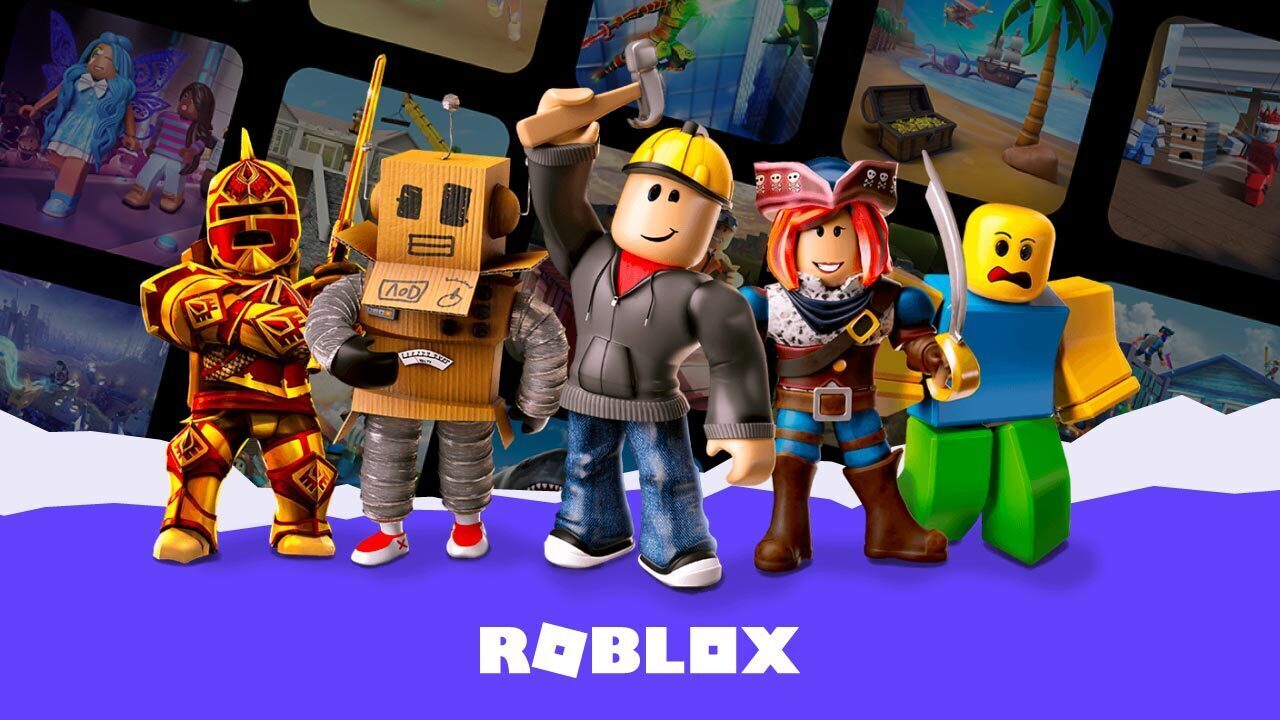
The quintessential UGC powerhouse, where virtually all content is created by the community using the platform’s proprietary tools. Its success is built entirely on rewarding creators, fostering a massive internal economy where top developers can earn millions.
B. Minecraf
The Java Edition’s extensive modding community and the Bedrock Edition’s official Marketplace showcase how UGC, from simple texture packs to complex modpacks, can drive the long-term sales and cultural relevance of a decade-old game.
C. Fortnite (Epic Games)
Through the Creative Mode and UEFN, Fortnite has transitioned from being a game into a platform, encouraging creators to build diverse experiences, from concerts to complex deathmatch maps, and sharing the resulting ad and engagement revenue.
D. Valve’s Steam Workshop
This integrated system allows developers to host community-created items and maps for their games (e.g., Dota 2, Team Fortress 2). The system handles the purchasing, distribution, and revenue split, effectively streamlining the UGC monetization pipeline.
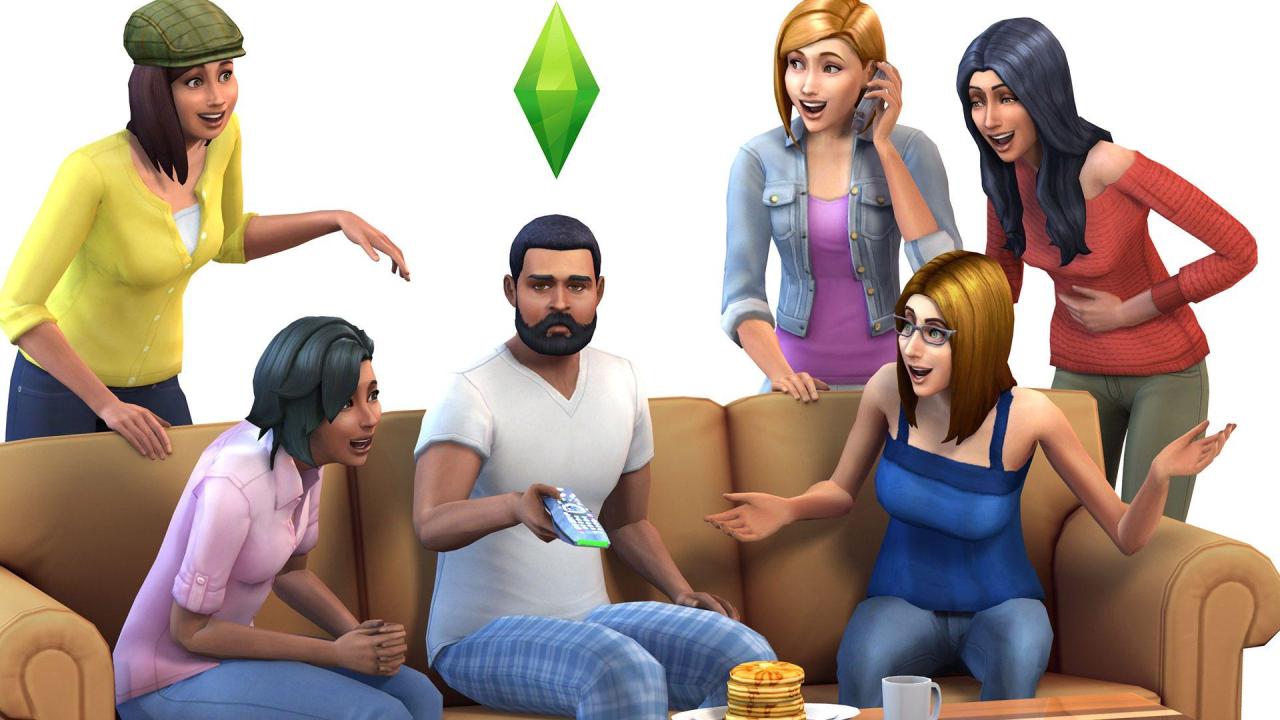
E. Simulation Games (e.g., Cities: Skylines, The Sims)
These genres thrive almost entirely on community-made assets, buildings, and game modifications. The official developers benefit from sustained base-game sales driven solely by the continuous influx of free, player-created content.
Technological and Accessibility Leaps
The current boom in UGC is directly attributable to the democratization of advanced development tools, making high-quality creation accessible to a much broader audience.
A. Simplified Editor Interfaces
Modern game editors are designed with user-friendliness in mind, using intuitive drag-and-drop systems, visual scripting languages, and simplified asset pipelines that require no prior coding knowledge.
B. Generative AI Integration
AI tools are now being deployed within UGC editors to assist creators. An AI can quickly generate simple terrain, placeholder models, or basic NPC dialogue based on a text prompt, dramatically accelerating the prototyping phase.
C. Cross-Platform Creation
UGC is increasingly created once and playable everywhere, from PC to mobile and console. The editor tools themselves are also becoming available on platforms other than the PC, enabling true mobile creation.
D. Open-Source Asset Libraries
Platforms encourage creators to share basic assets, scripts, and code templates openly. This collective knowledge accelerates development, allowing new creators to stand on the shoulders of established community members.
E. Live-Editing and Collaborative Tools
New features allow multiple users to work on the same game or level design simultaneously in a collaborative, cloud-based environment, treating game creation itself as a social, real-time activity.
Legal, Ethical, and Quality Challenges
The decentralized nature of UGC introduces complex challenges related to ownership, moderation, and quality control that platforms must actively manage.
A. Intellectual Property (IP) Rights and Ownership
Clear legal frameworks are essential to define who owns the rights to the monetized content—the creator, the platform, or the original game developer. This often requires complex EULAs (End-User License Agreements).
B. Content Moderation and Safety
Platforms must deploy sophisticated moderation systems (often using AI) to filter out offensive, illegal, or inappropriate content to maintain a safe and inclusive environment for players of all ages.
C. Quality Control and Discovery
With millions of pieces of UGC, discoverability is a major challenge. Platforms use sophisticated ranking and curation algorithms to help the best, highest-quality content rise to the top of the marketplaces.
D. Economic Viability for Creators
While top creators thrive, platforms must ensure that the revenue-sharing model remains fair and transparent, allowing a broad middle tier of creators to earn sustainable income from their efforts.
E. Piracy and Asset Theft
Protecting creators’ original work from being copied, stolen, or re-uploaded by others is an ongoing battle, requiring robust digital rights management (DRM) and watermarking techniques within the creation tools.
Conclusion
The shift towards User-Generated Content is the most transformative economic force reshaping the modern video game industry.
This dynamic model effectively transforms millions of dedicated players into a powerful, decentralized content creation workforce.
By facilitating easy-to-use tools and a clear path to monetization, platforms have successfully tapped into an essentially infinite well of innovation and novel gameplay.
The result is an explosive increase in player retention and acquisition, as the promise of perpetually fresh content keeps audiences engaged for years.
This player-creator ecosystem fosters an unprecedented level of personalized and relevant content, ensuring the game evolves far faster than any internal studio could manage alone.
Furthermore, the formalized revenue sharing models are now creating a new class of digital entrepreneur, injecting fresh capital and creativity back into the wider market.
Ultimately, UGC has cemented its role not as a peripheral feature but as the central, indispensable engine of engagement and a primary driver for sustainable financial success in the competitive digital age.